Sustainability in E-Commerce: Are Recyclable Bubble Mailers the Future?
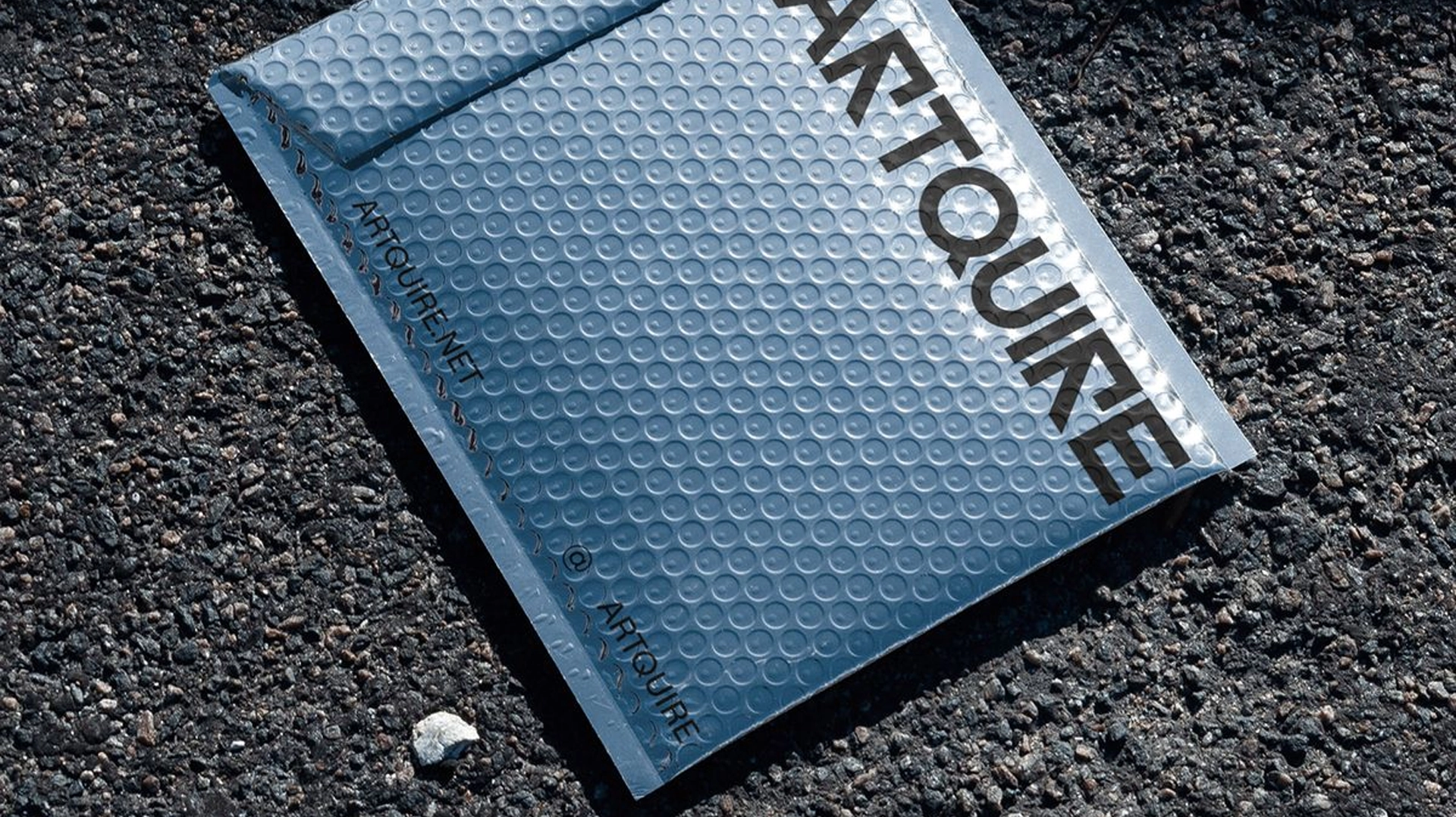
Every online order needs a safe way to reach the buyer, but the amount of packaging used in e-commerce has grown exponentially. Boxes, mailers, and fillers add up to a lot of material, and much of it is used once and then thrown away. Many US shoppers now look at how brands ship their orders and prefer options that feel less wasteful.
For smaller and lightweight products, mailers play a major role in shipping. They are used in huge quantities, most of the time replacing boxes, so even small changes in how mailers are made can have a big effect. Recyclable bubble mailers are one of the ideas brands are testing to lower waste and improve their packaging story.
Bubble mailers have transformed from being considered a functional shipping medium to something more that protects, provides convenience, and are sustainable. They balance two important needs: practical utility for e-commerce and environmental protection.
There is no second thought when it comes to the popularity of padded or bubble mailers. According to research, the market size of cushioned, padded, or bubble mailers was valued at $1.78 billion USD in 2025. It is estimated to increase up to 2.85 billion USD by 2030, at a CAGR of 9.87%.
With accelerated innovation and emergence of new materials, eco-friendly bubble mailers are becoming an important aspect when the future of sustainable packaging is of concern. In this blog, we will discuss the comparison of traditional and recyclable bubble mailers, whether eco mailers are right for your product, and how the future around them is taking shape.
What Makes Packaging “Sustainable” in E-Commerce?
It can easily be understood by knowing what a sustainable packaging actually performs and tries to do. These are as follows
Use less material.
Use materials that come from better sources, like recycled content.
Make it easier to reuse, recycle, or safely decompose materials.
For the e-commerce brands and online businesses, these actions mean that:
Using lighter packs so fewer resources and less fuel are needed.
Right sizing, so you do not ship tiny products in huge boxes.
Choosing mailers and boxes that fit into real recycling systems, not just “green” labels.
It is also important to remember that “eco friendly” can mean different things. One mailer might focus on high recycled content. Another might focus on curbside recyclability. A third might try to be compostable. The best from these would definitely be the one chosen with your product audience, and recycling systems in mind.
Bubble Mailers 101: Traditional vs Recyclable
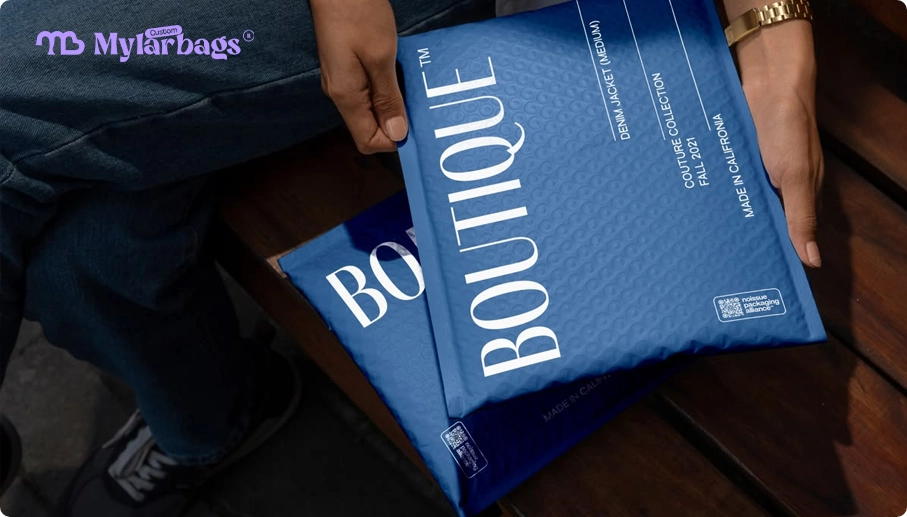
Traditional bubble mailers are usually made from layers of plastic film with a plastic bubble lining. They protect products well, but they are often made from mixed materials that are hard to recycle in normal curbside systems.
The latest recyclable and paper padded mailers can solve some of these issues. They use simple material mixes that are easier for recycling systems to handle. Below is a side by side comparison of traditional and recyclable bubble mailers.
Feature | Traditional Bubble Mailers | Recyclable/Eco-Friendly Mailers |
Material | Virgin poly (plastic) or mixed paper/plastic hybrids | Recycled Kraft Paper, Recycled Poly (LDPE #4), or Compostable materials |
Recyclability | Generally not recyclable (if mixed materials) | High. Paper is curbside; Recycled Poly is store drop-off |
Durability | High; waterproof (poly) or tear-resistant | Similar to traditional, though paper versions are less water-resistant |
Weight | Lightweight | Lightweight to moderate (paper can be heavier) |
Cost | Usually lower | Higher (premium for eco-materials) |
Environmental Impact | High (mostly landfill) | Low (circular economy, lower carbon) |
Traditional plastic mailers with bubble layers on the inside can be hard to separate. This is the reason they mostly get thrown away to increase landfills. But paper padded mailers are a whole different story. These bags make it easier to be recycled.
We have covered more insights on poly bubble mailers vs kraft bubble mailers to let you know what’s best for your business.
Types of Greener Bubble and Padded Mailers
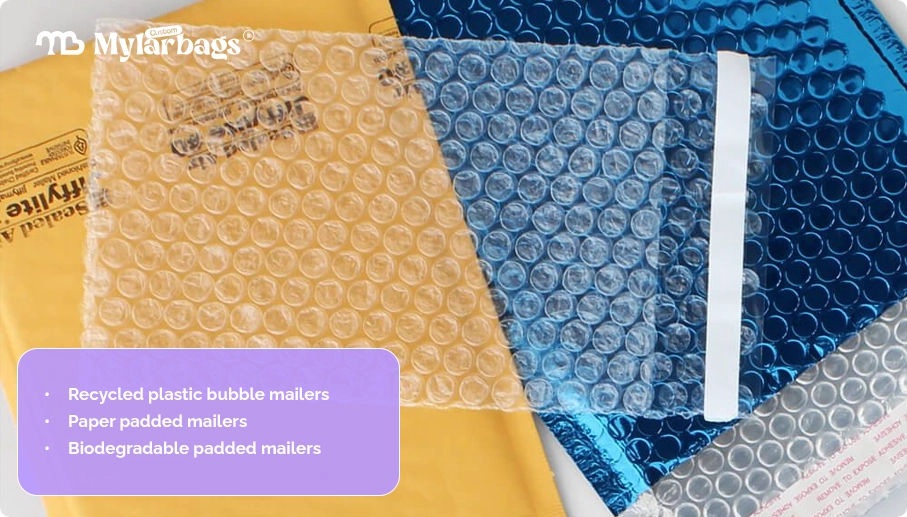
There is no single “eco mailer.” However, there are several other types that each solve a different part of the bigger environmental safety problem.
Some of the main options are:
Recycled plastic bubble mailers
These use plastic film and bubbles made with recycled content. They are often designed to go into thin-film recycling streams where those systems exist. They keep the look and feel of classic bubble mailers but with less demand for new plastic.Paper padded mailers
These mailers use a paper outer and a paper-based padded layer inside, sometimes made by embossing or layering paper to trap air. In different states of the US, they can be placed in curbside paper recycling bins, which is easier for shoppers than special drop-off bins.Biodegradable padded mailers
Some bubble mailers use plant based plastic or special films that are designed to break down under suitable composting conditions.
Each type comes with its own best use cases and disposal needs. That is why clear instructions on the mailer matter so much.
Sustainability Benefits of Recyclable Bubble Mailers for Brands
Recyclable and recycled-content bubble or padded mailers help brands in several simple ways.
Less material, less weight
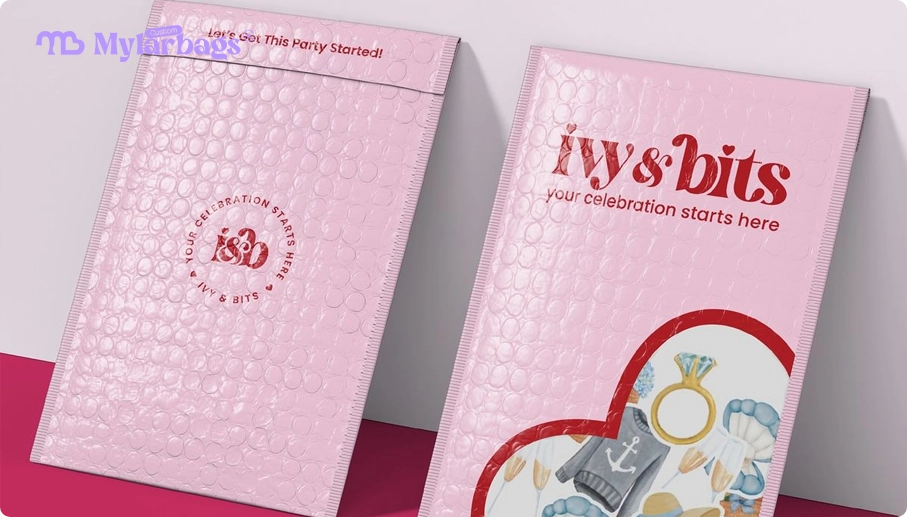
First, they often use less material than boxes for small items. When you move from a full carton to a well-sized mailer, you cut fiber use and lower shipping weight. This can reduce both cost and carbon impact.
Better end-of-life options
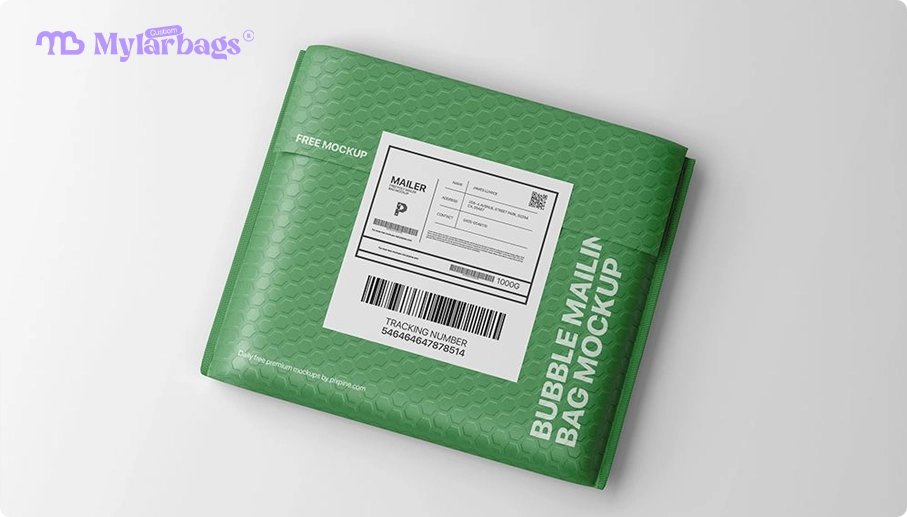
Second, some designs fit better into existing recycling systems. Curbside-recyclable paper padded mailers can be placed in paper bins in many cities in the USA. This is much more convenient for clientele rather than hunting for special plastic film drop-off bins.
Cleaner brand story
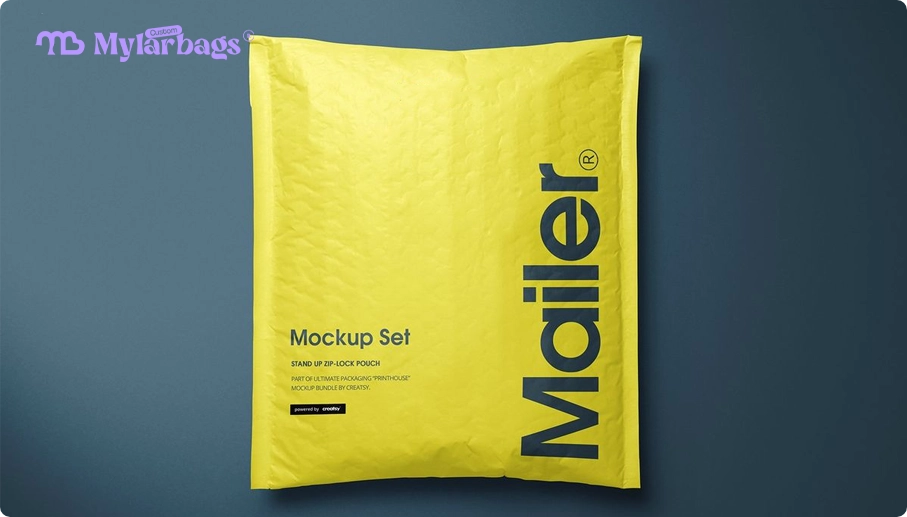
Third, eco mailers support a cleaner brand story. When customers check out mailers that are made from recycled material or have recycling labels attached to them, they can see you are trying to reduce land waste and harm to the environment. If you print simple instructions like “Recycle with paper” or “Store-drop only,” you also help people make better choices.
For a packaging supplier like Custom Mylar Bags, offering these kinds of bubble mailers means giving businesses not just a protective pack, but a way to show they care about their footprint too.
Bubble Mailers Are Not All-Encompassing
It is important and a goodwill to be honest. This is that no mailer is perfect for every use case.
Recycling rules are different from place to place.
A padded paper mailer that is widely accepted in curbside paper streams in one region might be handled differently in another. Thin-film plastic recycling is even more patchy and often depends on store drop-off programs that many people do not use regularly.
The level of protection also varies. Padded mailers made from paper offer minimal, light to medium, cushioning which is fine for small items, but not for heavy or frail products as they require boxes with more durability and padding.
Biodegradable mailers sound very eco friendly, but they only work well when buyers have the right composting setups and follow the rules. If they end up in normal trash, their benefits can be limited.
So brands should think about:
How fragile each product is.
How far and how often it ships.
What recycling and composting options are realistic for their buyers?
Are Recyclable Bubble Mailers Ideal for Your Products?
Recyclable padded/bubble mailers are a good fit for a variety of small and lightweight products that need some cushioning but do not need the coverage of a full box. These products include:
Clothing and soft goods.
Fashion accessories like belts, scarves, and ties.
Box packed small cosmetics and skincare items.
Portable mobile accessories like cables, chargers, and phone cases.
Below are the ones which shouldn’t be packed in bubble mailers:
Very fragile, like large glass items without inner boxes.
Very heavy for their size.
Sharp or likely to cut through soft walls.
To decide, you can ask simple questions:
Will this product survive normal bumps with only padded paper or plastic?
Is a mailer enough, or does it really need a rigid box?
Can I minimize the damages by sizing right and choosing a stronger mailer thickness instead of a larger box?
If your products fit these conditions perfectly, then shifting from boxes to bubbles mailer and recyclable ones that can reduce waste without increasing product damage ratio.
How Recyclable Bubble Mailers Fit into a Bigger Green Plan
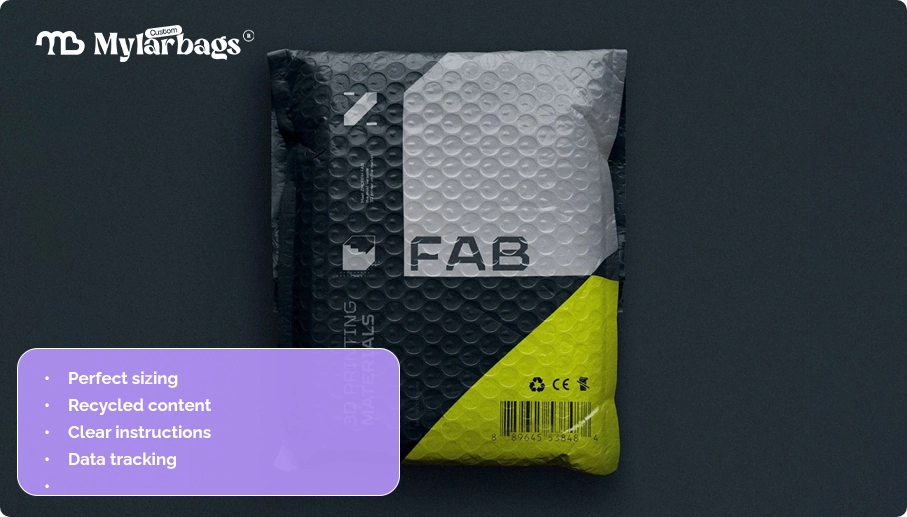
Recyclable bubble mailers are just a small part of the bigger sustainability plan. To make a real difference in keeping the environment safe, you can combine them with the following steps.
Perfect sizing: Use the exact size for mailer or box that safely and easily fits the product, so you ship responsibly and use less material.
Recycled content: Choose mailers that use meaningful levels of recycled paper or plastic, which cuts demand for new raw materials.
Clear instructions: Print simple notes on each mailer about how to recycle or dispose of it, based on what is true in your main markets.
Data tracking: Watch packaging weight, shipping costs, and damage rates before and after you switch to greener mailers, so you can see real results.
At Custom Mylar Bags we can help match your product list with the right mix of mailer types, thicknesses, and sizes, so you are not just choosing “eco” on paper, but in a way that works for your products and your buyers.
So, Are Recyclable Bubble Mailers the Future?
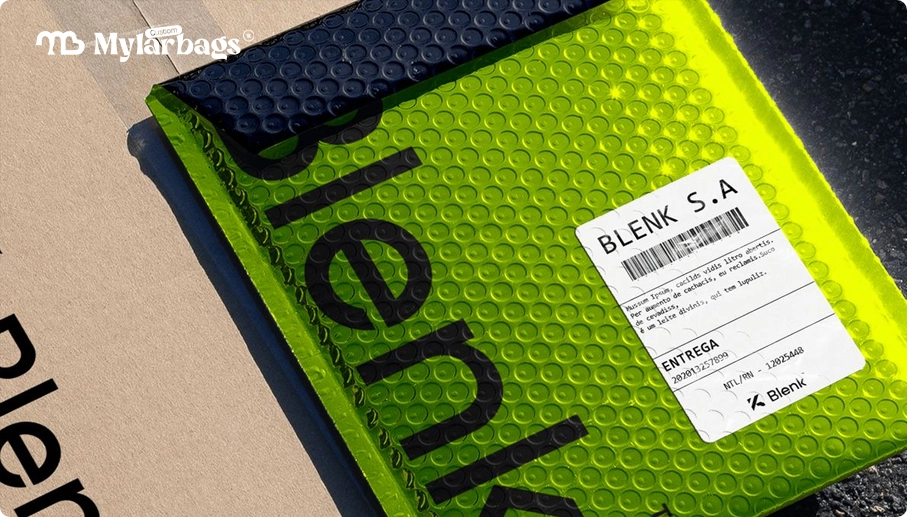
Well, this trend in increased demand for bubble mailers is as clear as water now. It will only continue to rise as brands are shifting to eco-friendly packaging to reduce waste & carbon footprint.
Recyclable bubble and paper padded mailers will likely be a big part of that future, especially for small products that do not need a full box. There will not be one perfect eco mailer for every product, but these options are well placed to carry a large share of e-commerce orders in the years ahead.
For your brand, the best way forward is to:
Start with a few products that clearly fit padded mailers.
Test recyclable or recycled-content options.
Watch damage rates, costs, and customer feedback.
If the results are good, you can expand and make recyclable bubble mailers a core part of how you ship more sustainably.
For businesses buying packaging from us means you can choose bubble mailers that not only protect your products, but also support your sustainability goals and your brand story at the same time.
But the innovation game doesn’t end here. If you are wondering what is next from bubble mailers, then check out some insights here.
FAQs
Are all bubble mailers recyclable?
No, not all bubble mailers are recyclable. Traditional plastic bubble mailers are hard to recycle in normal curbside bins and may need special thin-film drop-off points, which many people do not use. Latest paper padded mailers are built to be curbside recyclable as paper in many areas, which makes real-world recycling more likely.
Are paper padded mailers as protective as poly mailers?
Paper padded mailers can give light to medium protection, which is enough for many clothing items, accessories, and small box packed products. For very fragile or heavy items, you will still need strong boxes and proper padding, but for many small e-commerce products, paper mailers offer a good balance between protection and sustainability.

Sophia Bennett
Sophia Bennett is a flexible packaging consultant and content contributor at Custom Mylar Bags. With years of experience in packaging materials, printing techniques, and product protection, she writes about Mylar bag innovations, custom packaging trends, and practical solutions that help businesses improve product safety, freshness, and brand presentation.
Up Next