Padded vs Non-Padded Mailers: What B2B Shippers Should Know
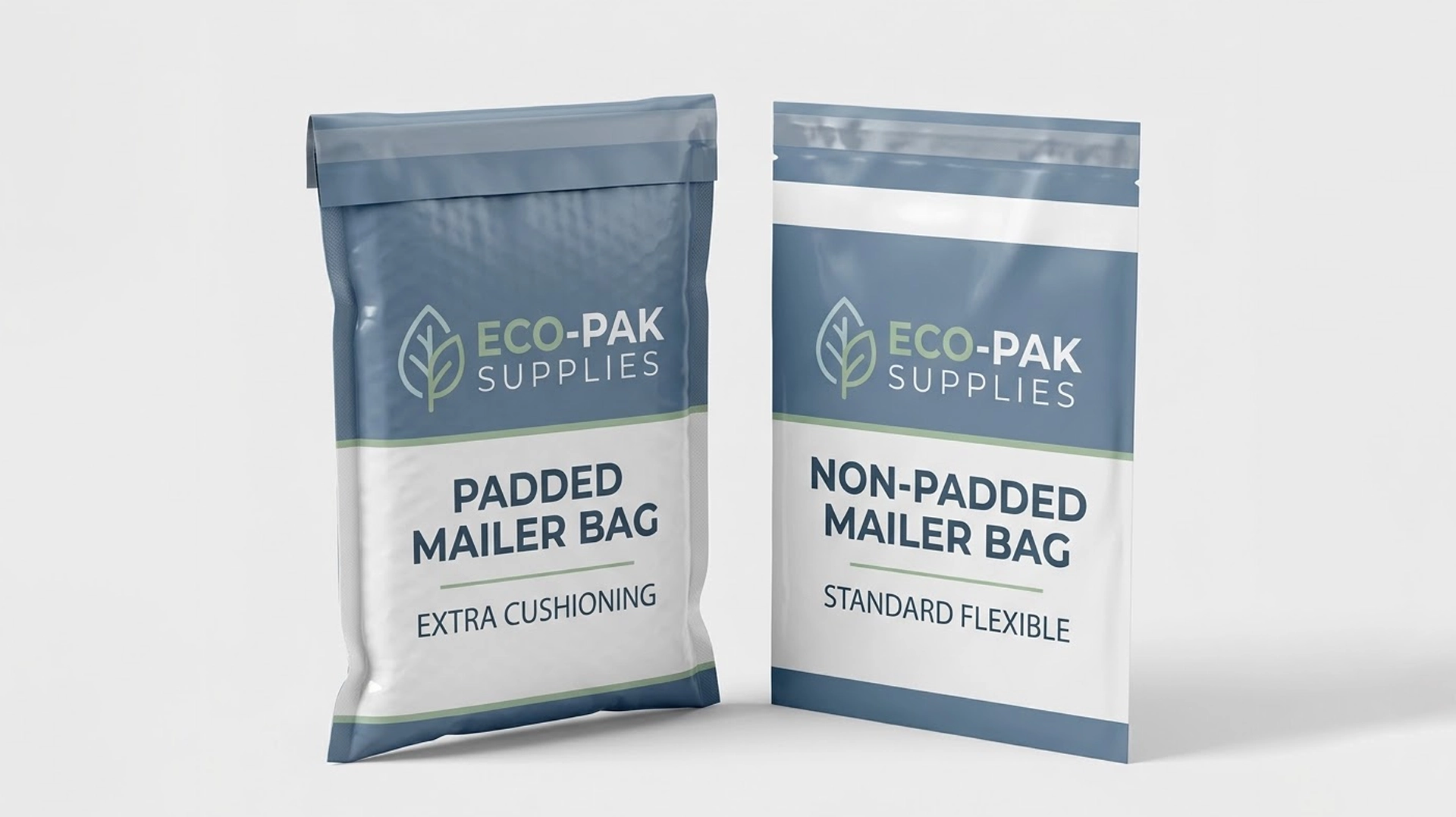
Every parcel that B2B shippers want to deliver is more than just a box or envelope that arrives in the mail. It should work to build business relationships with recipients as well. The packaging you select affects a lot of factors like cost, damage ratio, and how customers or partner warehouses feel about working with you.
Mailers are a big and unavoidable piece of this puzzle for small and medium-sized shipments.
It can be backed through market analysis by Fortune Business Insights. According to this study, the global market size of mailer packaging was valued at 37.22 billion USD in 2025. It is estimated to go upwards from 39.39 billion USD in 2026 to 64.87 billion USD by 2034 at a CAGR of 6.43% during this time frame.
Padded mailers and non-padded mailers may look similar from a distance, but they behave very differently in transit and also fulfill different purposes. Knowing beforehand when to use which one can help you to maximize protection of your products, control shipping costs, and at the same time keep customers confident in your operations.
What Are Padded and Non-Padded Mailers?
Padded mailers
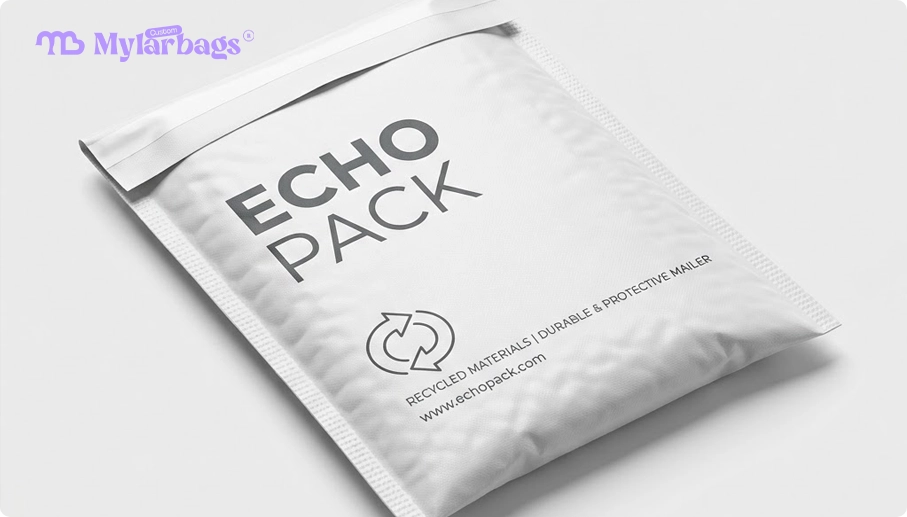
Also known as bubble mailers or paper padded mailers. They come with an inner protective layer like bubble wrap, foam, or paper padding. They can be used to send products securely.
Non-padded mailers
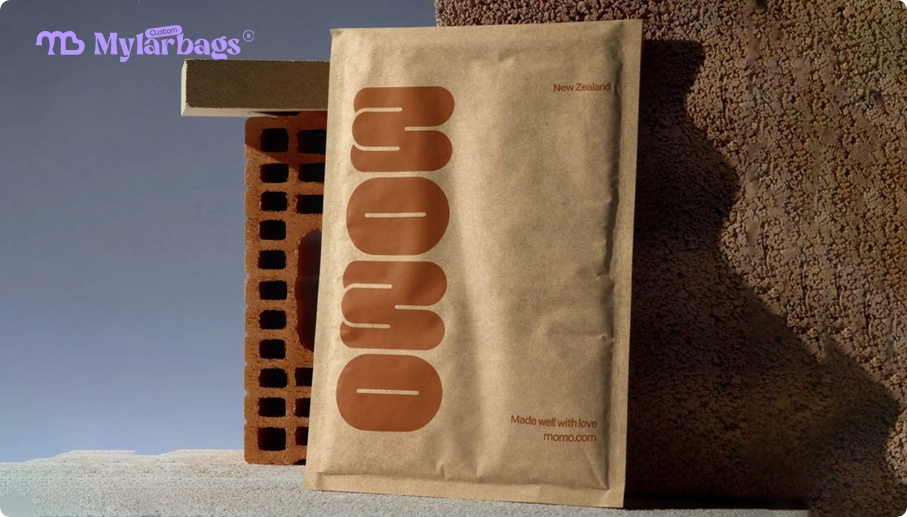
These are also known as flat envelopes with no built-in padding. Some common types include; poly mailers (flexible plastic bags) and flat paper mailers. They are best for products that are not fragile, like clothing or soft goods.
Both types have a peel and seal strip which give them a quick and secure closure.
Key Differences B2B Shippers Should Understand
For B2B shipping, the important differences between padded and non-padded mailers are as follows:
How much protection they provide.
How much they weigh and cost to ship.
How they store and handle in your warehouse.
Padded vs Non-Padded Mailers – At a Glance
Factor | Padded mailers (bubble / padded) | Non-padded mailers (poly / flat paper) |
Protection level | Medium to high for small items | Low – protects from dirt and light scuffs only |
Best for | Semi fragile or surface-sensitive products | Soft goods and non-fragile products |
Weight | Heavier | Very light |
Shipping cost impact | Slightly higher | Lower |
Need for extra padding | Often none or minimal | Often needed for fragile items |
Warehouse storage | Thicker stacks | Very space efficient |
For many B2B shippers, it is not about choosing to stick with one type of mailer envelope forever, but it’s about matching the right mailer to each product group.
When Padded Mailers Make Sense in B2B Shipping
Padded mailers shine when products are small, but at risk of damage from bumps, drops, or rough handling. Making them ideal for use among various industries from apparel to electronics. Like:
Tech items like cables, chargers, and small gadgets.
Boxes of small items like cosmetics and skincare.
Small spare parts or components that can dent or scratch.
Media items like books or manuals that need to avoid bent corners.
Pros for B2B shippers:
Inherent safety: There is protective padding inside that absorbs shocks and reduces the need for extra wrapping.
Less packing time: Staff can pack items directly into the padded mailer.
Fewer damage claims: Better protection for vulnerable items can cut damage-related returns and credit notes.
The compromise:
Padded mailers usually weigh a bit more and cost more per unit than plain poly mailers.
They take up slightly more space in storage than very thin, flat mailers.
For B2B, this extra cost often pays off when the cost of a damaged unit, a return, and a strained customer relationship is much higher than a few cents saved on a thinner envelope.
When Non-Padded Mailers Are the Smarter Choice
Non-padded mailers, like poly mailers or flat paper mailers, are at their best when the product inside is itself sturdy or soft. Common examples include:
Clothing and textiles.
Soft accessories like hats, scarves, and fabric items.
Boxed goods that already have strong packaging around them.
Marketing materials, catalogs, or other robust paper items.
Benefits for B2B shippers:
Lowest weight: Great for controlling delivery costs across high volume shipments.
Very space efficient: Thin mailers store well and free up warehouse space for product instead of packaging.
Fast packing: Easy to load and seal, especially for apparel and soft goods.
If using non-padded mailers for fragile items, expect high damages & return. This is why B2B shippers keep both types of mailer packaging in stock and select based on product safety levels.
Cost and Damage: The Real B2B Trade-Off
It is tempting to look only at the unit price of a mailer. But for B2B shipping, the real cost picture includes the following:
Product value.
Damage and return rates.
Admin time spent on claims and replacement orders.
A non-padded mailer may cost less per piece, but consider these hidden costs:
If it leads to more damaged goods, you lose product margin.
You pay more in re-shipping and handling.
You risk upsetting key accounts or retail partners.
A padded mailer costs a bit more and could add a small amount to the overall shipping costs, but the advantages it provides are fully acceptable:
It can reduce minor breakage and surface damage.
It can lower the total number of returns and credits you issue.
It can keep your order fill rates and on-time deliveries.
For many B2B shippers, spending a little more on padding for the right SKUs is cheaper in the long run than dealing with repeated damage issues.
On the other hand if you are wondering which to choose from boxes and padded mailers for better cost efficiency, then read here for more insights.
Customer and Receiver Experience (Even in B2B)
Even in B2B, someone has to receive and open the parcel. It might be a buyer at a small business, a warehouse receiver at a large distribution center, or a staff member at a store or office.
Branded padded mailers can play a significant role in building experience for the receivers. Bubble mailer arrives clean and strong, easy to open without tools, and clearly labeled with your brand and contents.
Quick Decision Guide: Padded vs Non-Padded for Your SKUs
You can use a simple checklist to decide which mailer to use for each product category:
Fragility:
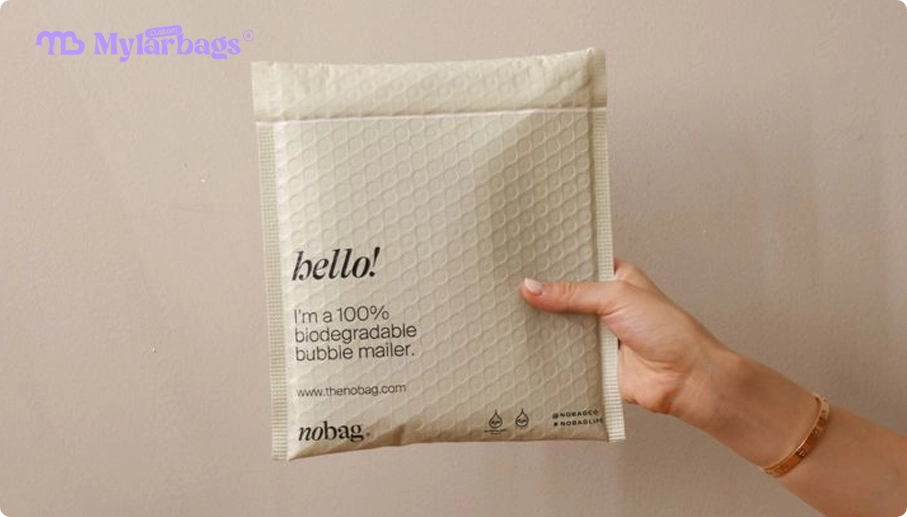
If your product can chip, crack, bend, or scratch easily, then the best choice of mailer is bubble or padded mailer as it is safer than poly mailer.
Weight:
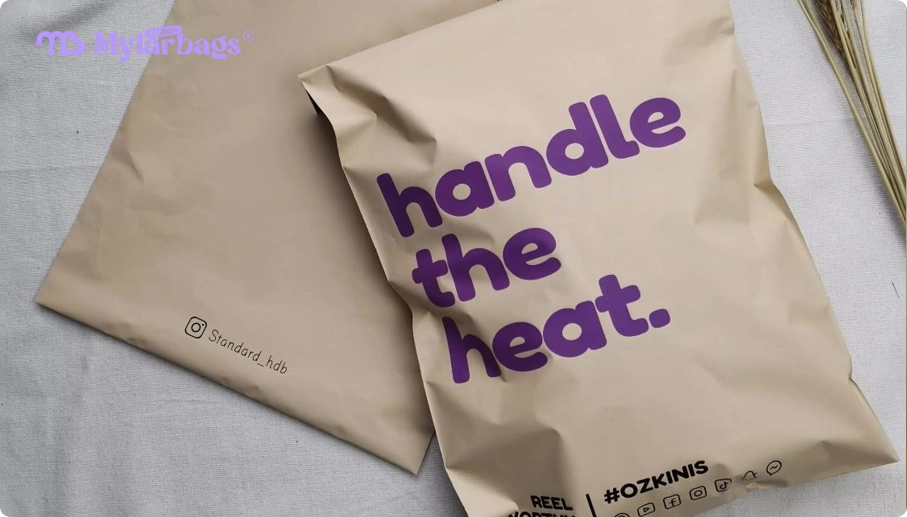 :
Is your product heavy for its size? Then you should go for thicker padded mailers or choose boxes in the worst case scenario if mailers are not an option.
Existing packaging:
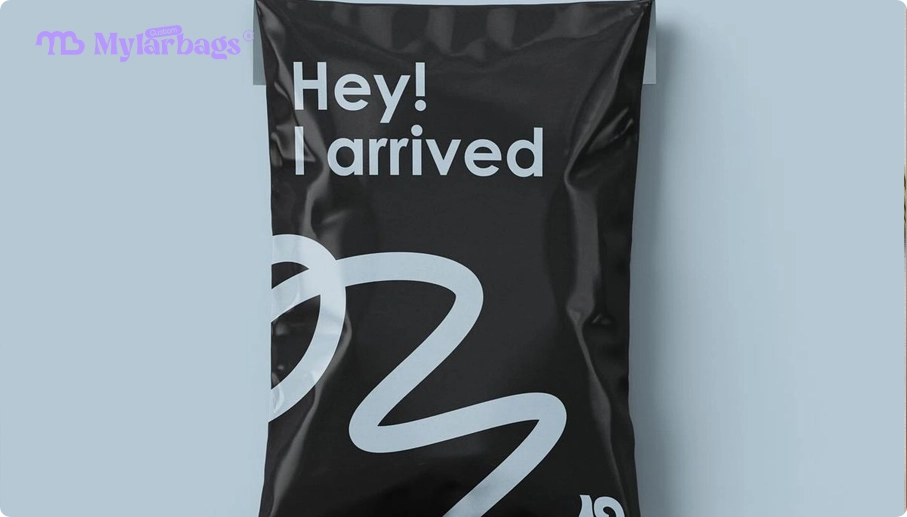
Does your product already come in strong boxes? If the answer is yes, then you don’t have to go for padded mailers, non-padded mailers are just fine.
Distance and handling:
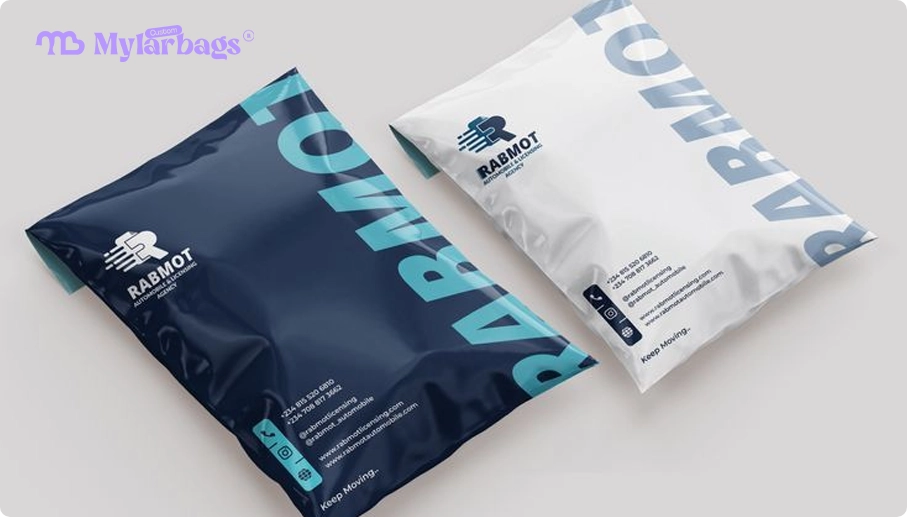
Determine how far away your parcel has to travel and how many delivery hubs it will go through. If the route is longer and routes are complex and tough, bubble mailers are the optimum choice.
Customer expectations:
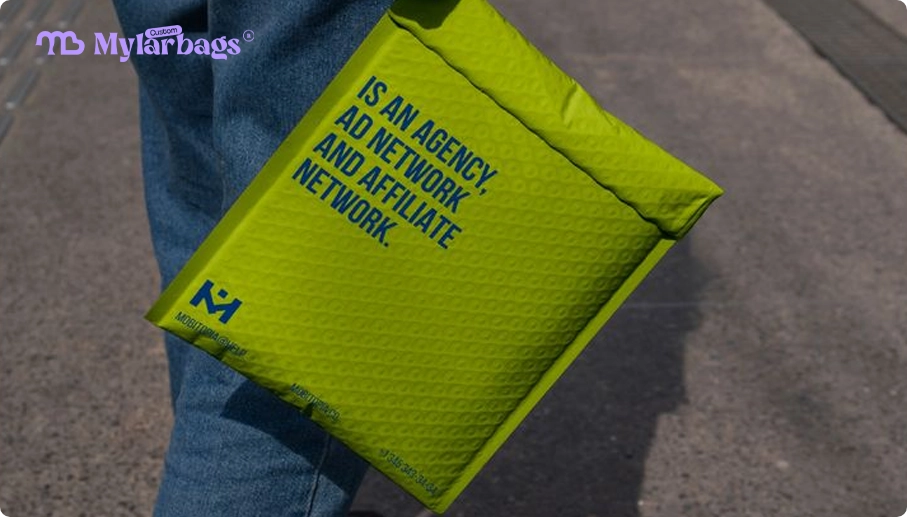
Will your B2B customer accept a very thin mailer, or are they expecting more robust packaging?
Ultimately, if you ship a mix of products that need protection or not, the best answer is to use both padded and non-padded mailers, rather than forcefully using one type.
At Custom Mylar Bags, we can help you map your SKUs to the right bubble mailer specs so you balance cost and protection instead of the guessing game.
Conclusion: Use Both Types Wisely Instead of Picking a “Winner”
For B2B shippers, padded vs non-padded mailers is not an either-or choice. It is all about choosing each one where it fits the best and can be ideally used.
Non-padded or poly mailers are ideal for packaging soft and sturdy products that have minimum chances of getting damaged while letting you ship light and cost-effective materials.
Padded mailers protect smaller, delicate items and help reduce damage, returns, and admin load.
When you understand these differences and apply them SKU by SKU, you cut mistakes, improve reliability, and give your business customers a smoother experience.
If you are reviewing your packaging for B2B orders, this is a good time to look at how you use mailers today. Get better bubble mailers from Custom Mylar Bags to strengthen protection where it matters most without complicating your packing process.
Frequently Asked Questions
What is the main difference between padded and non-padded mailers?
Padded mailers have a built-in cushioning layer (bubble, foam, or padded paper) that protects against bumps and drops, while non-padded mailers are flat envelopes or bags that mainly protect from dust, dirt, and light scuffs.
When should I choose padded mailers?
When you are shipping small items that can easily get damaged, use padded mailers. Such products include tech accessories, cosmetics, or small components.
Do padded mailers always cost more to ship?
Padded mailers usually weigh more than thin poly mailers, so they can increase shipping weight slightly. However, they may still be cheaper overall than boxes, and they often save money by cutting damage and return costs.

Sophia Bennett
Sophia Bennett is a flexible packaging consultant and content contributor at Custom Mylar Bags. With years of experience in packaging materials, printing techniques, and product protection, she writes about Mylar bag innovations, custom packaging trends, and practical solutions that help businesses improve product safety, freshness, and brand presentation.
Up Next