Inside Printing Vs Outside Printing: Which Creates Stronger Shelf Appeal?
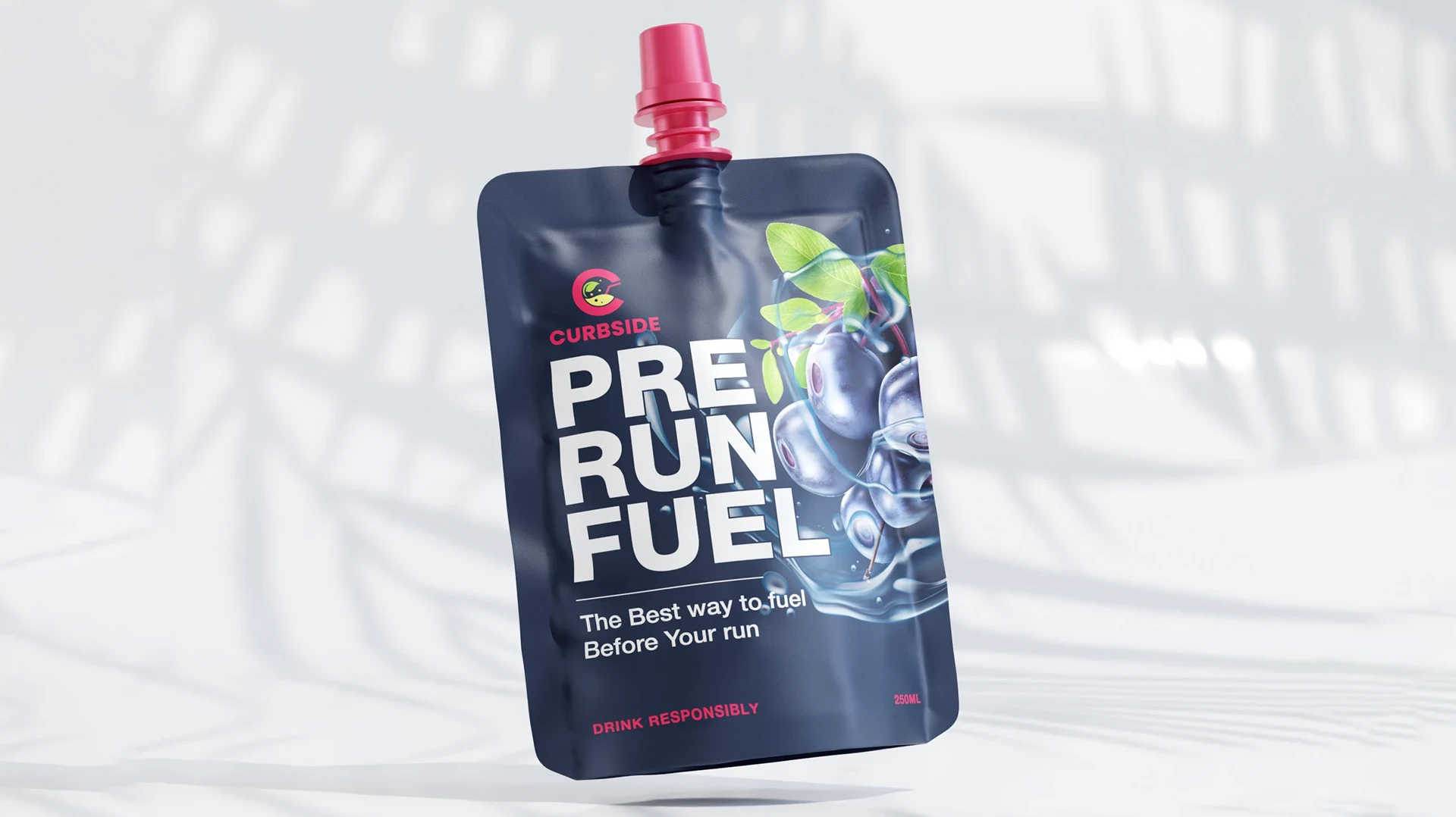
When stepping into any retail store where all sorts of products are sold, you’ll see hundreds of packages fighting for attention. But have you ever wondered why one pouch catches the eyes more while the other blends in with surroundings and gets ignored? It all comes down to how the printing is one on the spout pouches, inside or outside.
Whatever the case, spout pouches are earning more commendation for upcoming years than the past. According to latest market intelligence by marketintelo, the global market size of spout packaging pouch was estimated at $2.4 bn in 2024, and is projected to hit $5.1 bn at the end of 2033, rising at a CAGR of 8.7%.
Inside printing and outside printing are worlds apart. They change how a customer perceives your pouch when displayed on shelves. This guide is intended to help you understand the contrast difference of these printing methods for spout pouches, see which is best for making products stand out, and also to give you smart tips to pick the perfect printing style for your brand.
What Is Inside Printing?
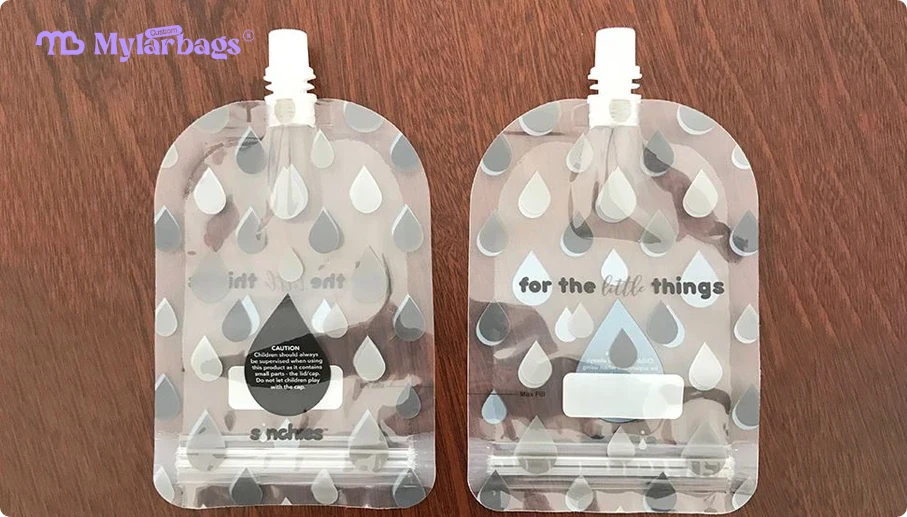
Inside printing refers to the method of printing artworks and graphics on the inside walls of the spout pouches. In this form of printing, customers can notice colors, patterns, or instructions printed directly where the product initially was once the pouch is opened. Brands are choosing this method to induce a surprise element with details only visible after they have bought and opened the pouch. Thus making the overall unboxing experience more engaging.
Why do brands use inside printing?
Brands use inside printing to add a layer of surprise or connection with the customer. Often, there are hidden messages, fun facts, games, recipes, or instructions revealed only once the pouch is opened. This keeps the brand memorable and gives the customer something extra even after the purchase. It's also used to reinforce freshness, safety tips, or brand values in ways that aren't visible on crowded store shelves.
What kind of products use it a lot?
Products like snacks, drinks, candies, and specialty items commonly use inside printing. For example, snack pouches may feature jokes inside for kids, or coffee beans might display brewing tips. Brands looking for unique ways to engage people after the sale or encourage repeat purchases love using inside printing for that special effect.
What Is Outside Printing?
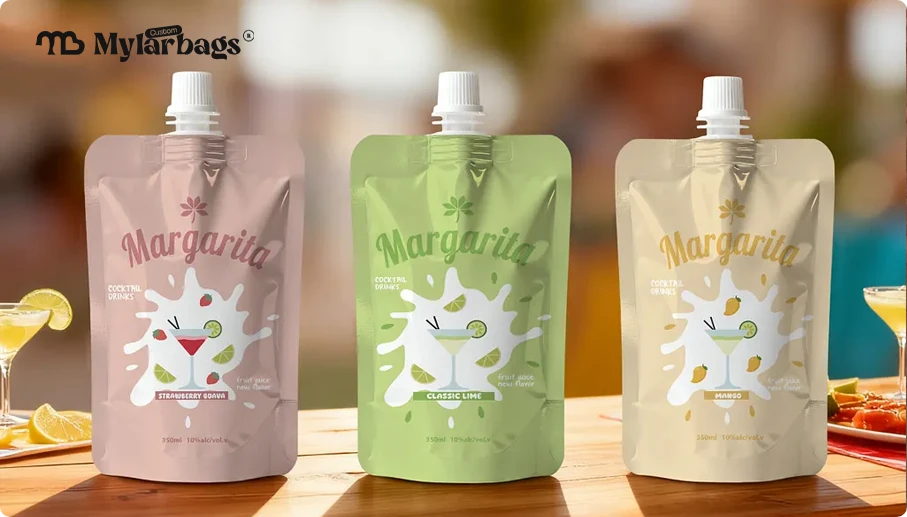
In contrast to inside printing, another printing method that is widely used by brands and businesses is outside printing. It creates a strong visual appeal that bewitches or dazzles customers at a single glance. In this method, the artwork, graphics, or relevant text is printed directly on the outside layer of the spout pouches which can be directly seen by onlookers. The colors, logo, and shiny or matte finishing effects are right there on the outer surface, setting the pouches apart.
How does it work?
With outside printing, printers apply ink and artwork directly to the portion of the packaging that people see and touch. This allows for a very bold, sharp, and textured appearance. The print can be finished in several ways: maybe it’s glossy and shiny to catch the eye, or maybe it’s soft and matt for a smooth hand held feel. Some brands even add raised prints or patterns you can feel with your fingers. Since the artwork is on the exterior, extra coatings are sometimes used to make the print stronger and prevent scratches or fade.
Why do brands go for outside printing?
Brands are big fans of outside printing because it offers the most control over how a pouch looks right on the shelf. The print is bold, vibrant, and can show off every detail in high definition. Having the option to use touchable effects like a soft-touch panel, a shiny logo, or even bumpy text means the packaging can interact with customers in more than one way. It’s a great way to make sure a product stands out among many others.
Which products show it off the best?
Normally, you’ll find outside printing used a lot for products like chips, cookies, candies, and snack foods. These items are often competing for attention in busy aisles, so standing out with bright colors and cool finishes is super important. Outside printing gives brands the flexibility and excitement they need to make a lasting impression.
Quick Comparison: Inside vs. Outside Printing
Feature | Inside Printing (Interior Visible) | Outside Printing (Exterior Visible) |
Shelf Appeal (Exterior) | The exterior is typically blank or minimally printed, offering a clean, simple, or opaque look on the shelf. | Superior. The primary branding and vibrant graphics are displayed prominently on the outside to attract consumer attention. |
Consumer Experience (Interior) | Creates a "second hit of delight" or an "unboxing experience" when opened, revealing hidden designs, tips, or codes. | The interior is typically a plain or functional material, offering no extra branded experience upon opening. |
Durability of Graphics | Highly durable. The interior graphics are protected from external scuffs or scratches until the moment of opening. | Less durable. The surface print is exposed and can be scratched, faded, or damaged during transport and handling. |
Product Safety | Ensures no ink comes into contact with the product or the consumer's hands from the exterior, which can enhance safety perception. | Standard in the industry with modern inks, but the ink is on the surface and could pose a minor risk of transfer. |
Branding Opportunity | Offers a unique, personalized way to surprise customers and enhance brand loyalty and social media shares. | Primary method for general branding, product information, and regulatory requirements on the main display panels. |
How Does Shelf Appeal Work?
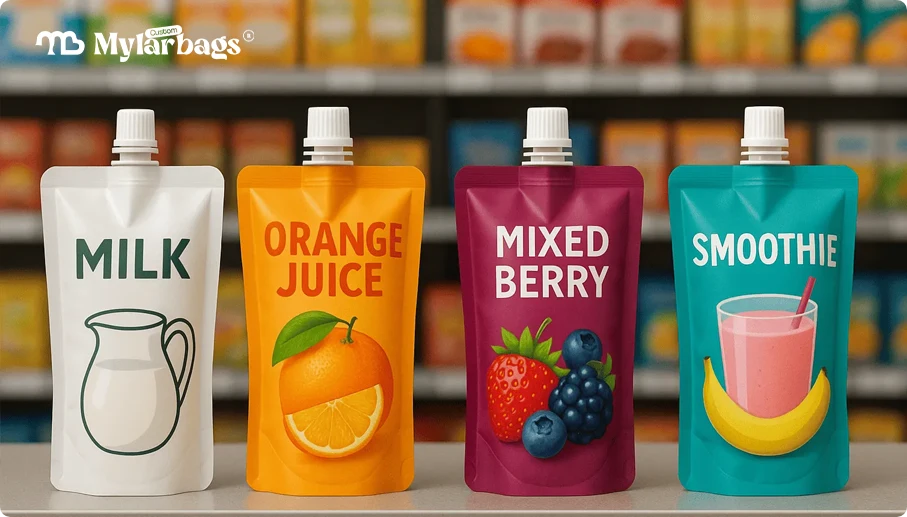
Shelf appeal means how attractive a package looks when sitting among other products in a store or displayed on shelves. It’s the first thing customers see and often helps them decide what to pick. Brands depend on outside printing to make their products stand out immediately. They print bright colors, sharp logos, and exciting graphics to create an imposing first impression. But inside printing plays a special role that goes deeper, adding fun or useful touches after purchase and making customers feel more connected to the brand.
Also, it is due to shelf appeal and usability that shoppers are shifting towards spout pouches and disregarding bottles and jars. Know about this in depth on our blog post.
Inside Printing: Pros & Cons
Pros:
Inside printing creates a special moment of discovery for customers. When they open the pouch, they find hidden designs, messages, or helpful instructions right where the product was. This experience adds surprise, fun, and a feeling of care from the brand.
It’s great for delivering recipes, reminders, inspirational notes, games, or bonus information in a way that feels personal. Because the print is inside, it stays safe from rough handling and outside conditions.
Cons:
Inside printing doesn’t help attract buyers from the shelf since it’s not visible before purchase.
It also adds cost to production, since brands must plan extra artwork and steps in packaging.
Not all products are suited for inside printing, some items, like chips or candies, get eaten too quickly for the customer to notice inside details.
Outside Printing: Pros & Cons
Pros:
Outside printing is the main way brands communicate with shoppers.
All details, logos, flavor info, artwork, are out-front, working to catch someone’s attention in a busy store.
It’s simple to update, easy to add finishes like gloss or matte, and can include textures that make packages feel special when touched.
Outside printing is perfect for products needing strong and instant shelf presence.
Cons:
Artwork on the outside is more exposed and may fade, scratch, or rub off if not protected well.
Durability depends on the quality of coatings and packaging.
All the brand’s effort goes into making a strong first impression, but it doesn’t provide any surprise or bonus for customers after they buy and open the pouch.
What Different Brands Are Doing?
Many brands now use outside printing for bold shelf appeal, putting their logos, flavors, and colors front and centre.
Some clever brands add inside printing to make the customer experience last beyond store shelves.
A candy brand might hide jokes or puzzles inside, while a tea company could print brewing instructions under the seal.
Snack companies may include fun facts, contests, or personal messages for the customer to find only after opening.
By combining both the printing methods, brands can strengthen connections with their customers.
Design Ideas for Both Printing Styles
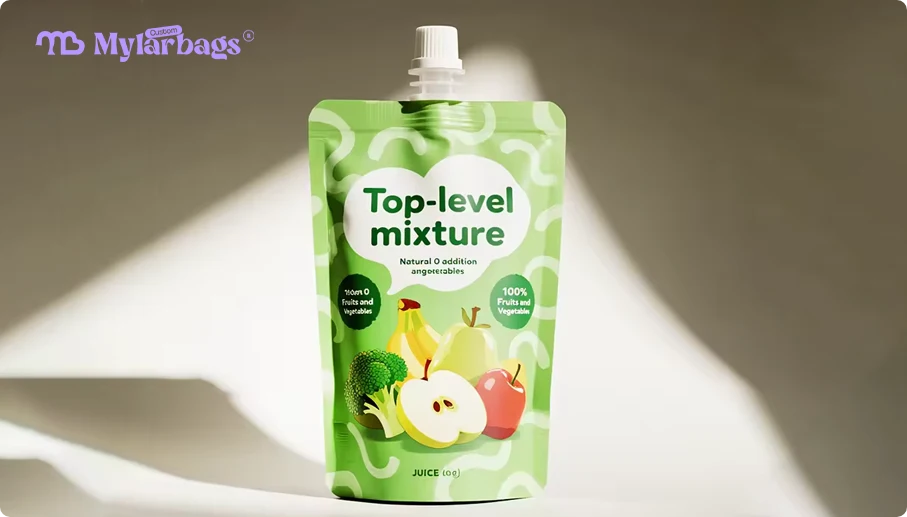
For outside printing, brands use their main logos, product images, flavor names, and bold colors, everything needed to win attention quickly.
With inside printing, there’s space to get creative: hidden jokes, QR codes for online games, recipes, or health tips can be placed so customers feel surprised and valued.
Some brands design their packaging so the outside and inside prints complement each other, telling a full story from shelf to last bite.
Real-Life Case Studies
Case Study 1: Happy Snacks
Happy Snacks uses outside printing for colorful artwork and big flavor names to attract parents and kids. When kids open the snack pouch, they discover inside printing: fun riddles and positive messages, making snack time a little brighter.
Case Study 2: Fresh Beans Coffee
Fresh Beans puts eye-catching coffee art and logos on the outside for instant recognition. Inside the pouch, customers find tips for brewing, notes about the farm where coffee is grown, and sometimes a surprise coupon code, all through inside printing.
Case Study 3: Fruity Punch Juice
Fruity Punch uses outside printing for vibrant fruit images and flavor descriptions. Then, inside the pouch, they print simple recipes for smoothies or popsicles, inspiring customers to get creative with leftovers.
Which Printing Option Is Right for Your Brand?
Choosing between inside and outside printing depends on what your product needs. If you want to grab attention and get chosen in busy stores, outside printing should be your main focus. For brands wanting to add surprise, value, or a personal touch, inside printing delivers a second layer of delight after buying. Some companies use both: first to catch eyes, then to build loyalty and make customers smile. Ultimately which printing method you opt for depends entirely on your purpose and use case.
CustomMylarBags: Realizing Your Printing Requirements
We strive and make it easy for businesses to print any kind of artwork for their eco-friendly pouches. The choice of what printing option suits your products the best is entirely on you. On the other hand, we make sure to deliver quality printing results that are hard to ignore and that don’t fade away.
Apart from printing, if you need any finishing applied to augment the charm of your printing elements, we got you covered. And if you need help in selecting the ideal size for your spout pouches plus the placement of spout on the pouch, give our experts a call or send your queries via email.
We also offer tips to our customers on how they can save more by ordering custom spout pouches in bulk. To know more details, check out our step-by-step bulk ordering guide.
FAQs About Inside vs. Outside Printing
Is inside printing safe for food and drinks?
Yes. We use food-safe inks and only print in areas that won’t affect product quality even in the slightest.
Can I combine inside and outside printing?
You definitely can. At CustomMylarBags, we give you freedom to be as creative as you want for printing your spout pouches to maximize shelf appeal and customer engagement.
Does inside printing cost more?
It adds a bit to production, but gives a lasting experience that helps build loyalty in the long run.

Sophia Bennett
Sophia Bennett is a flexible packaging consultant and content contributor at Custom Mylar Bags. With years of experience in packaging materials, printing techniques, and product protection, she writes about Mylar bag innovations, custom packaging trends, and practical solutions that help businesses improve product safety, freshness, and brand presentation.
Up Next