How Long Does Dehydrated Food Actually Last in Mylar Bags?
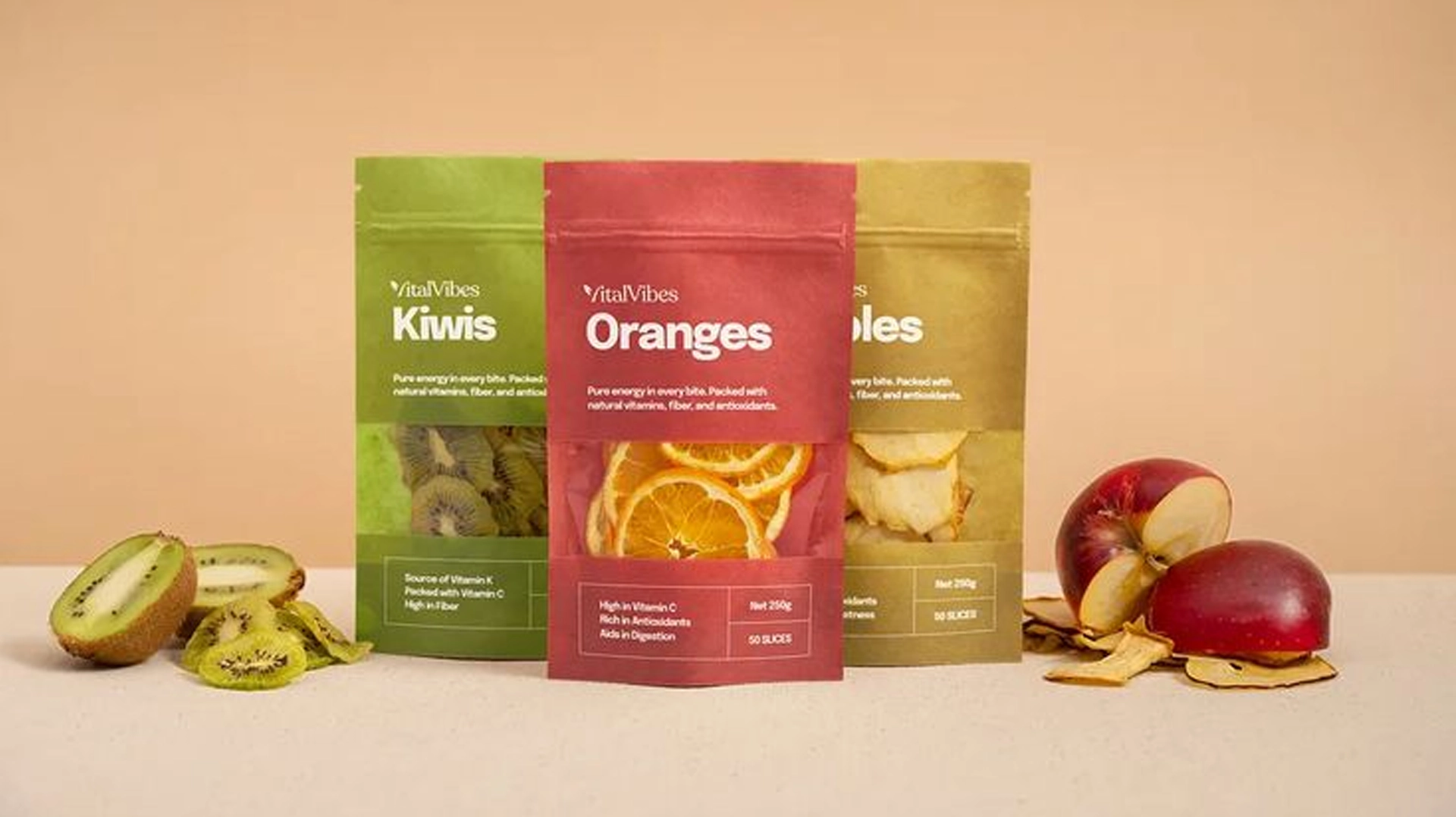
Most people assume that dehydrated food can last for only a few months; well, you’ll be surprised to know that it can last for a long time with the right packaging solution. A properly packaged food item can stay fresh for years.
You must be questioning “how long does dehydrated food last in Mylar bags” or “what is shelf life for dehydrated foods”. Nutritious, dehydrated food stored properly can stay fresh for up to 15 to 25 long years. Peak shelf life relies on essential elements such as specific food types, durable packaging types, and optimal storage conditions.
Mylar bags are highly favored for long term food storage. Mylar bags play an essential role in keeping products fresh and safe to consume. They are considered a popular choice for storing a wide variety of products. These flexible packaging solutions work perfectly well with the right oxygen absorber and keep products fresh and safe for many years.
This detailed guide is for businesses that are looking for answers on how mylar bags help extend the shelf life of dehydrated foods. Furthermore, we’ll share insights on the role of oxygen absorbers for food storage in mylar bags and how shelf life varies based on different product types.
What Really Are Mylar Bags?
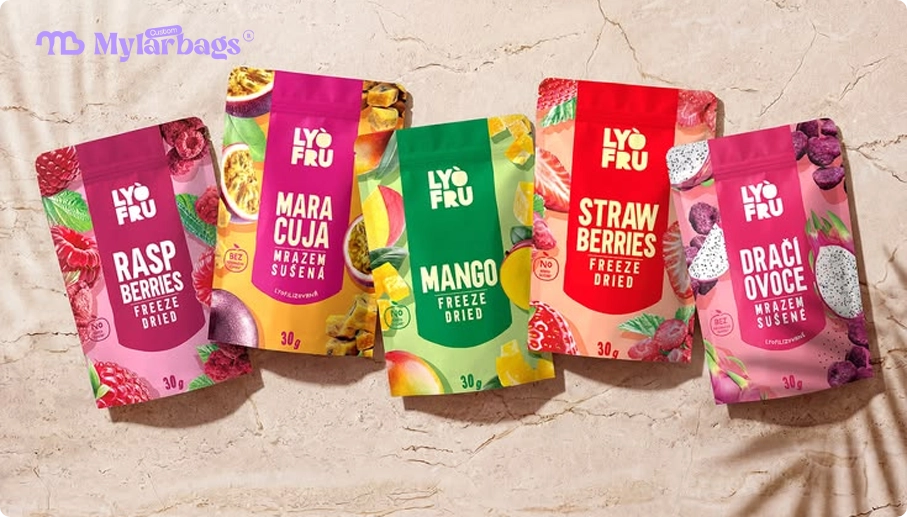
Mylar bags are amazingly durable and flexible packaging pouches. These flexible packaging alternatives are employed for a wide variety of products. These pouches are constructed from BoPET. It is further laminated with a thin metal or aluminum layer.
These bags deliver unmatched barrier properties. They help block light, moisture, and oxygen and stop air from passing through. This helps innovative brands keep premium products fresh and crispy for an extended time. These defensive bags feature admirably durable formats that withstand sharp punctures and unanticipated tears.
They can also be heat sealed to form a powerful barrier and lock in freshness. They work perfectly well for different product types, which explains their growing revenue.
“The Mylar market size was valued at USD 12.60 billion in 2024, which is predicted to rise to USD 22.20 billion by 2032, with a CAGR of 7.23%.”
Why Are Mylar Bags Ideal for Dehydrated Food Storage?
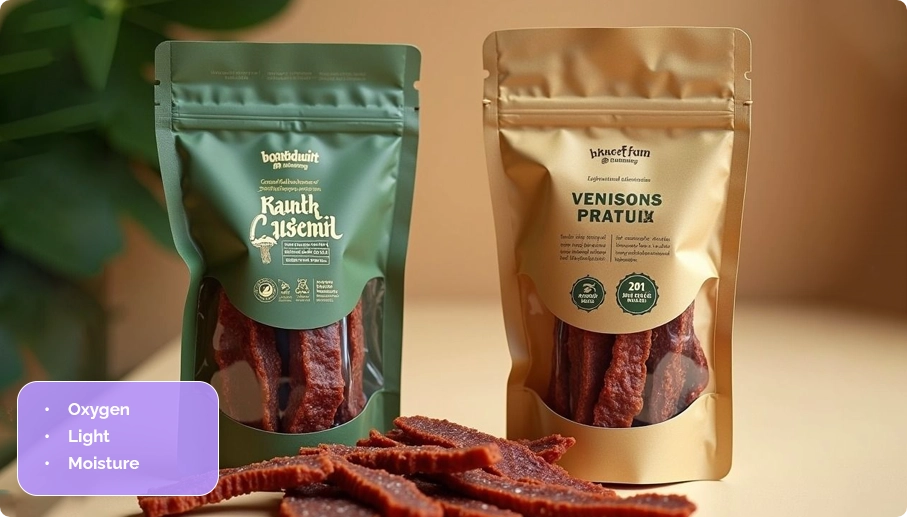
Mylar bags are considered superior packaging solutions in comparison to other packaging solutions. These bags are secure for direct food contact. They help fight against dehydrated food’s three major threats, that includes:
Oxygen: Residual trapped oxygen causes permanent oxidation and spoilage of dried food. It accelerates chemical food deterioration, producing rancid, volatile odors.
Light: Light forces dehydrated food to lose its nutritional value quickly. It highly impacts the taste of your food products.
Moisture: Even minor moisture exposure to surrounding dampness creates stubborn, unsightly mold growth.
This is why heavy duty Mylar bags for long-term food storage are considered a truly excellent solution. They keep delicate products secure from harmful contamination and product discoloration while maintaining original flavor for an extended time.
The thin metalized layer of tough Mylar bags offers exceptional barrier properties and keeps sensitive items safe for daily consumption. The total material thickness can vary from slim 5 mil, sturdy 7 mil, to extra-rigid 10 mil. It is important to choose the ideal material thickness as it affects puncture resistance and durability of Mylar bags.
Mylar bags can outperform vacuum sealed plastic bags in keeping dehydrated food products safe for a long time. We’ve added a comparison table to show why Mylar bags are an optimal packaging choice:
Storage Method | Oxygen Barrier | Moisture Barrier | Light Barrier | Typical Shelf Life |
Mylar Bag with O2 Absorber | Excellent | Excellent | Excellent | 15 to 30 years |
Vacuum-Sealed Plastic Bag | Moderate | Good | Poor (usually clear) | 1 to 5 years |
Standard Plastic Bag/Container | Poor | Fair | Poor | Weeks |
What is Shelf Life of Dehydrated Food Stored in Mylar Bags?
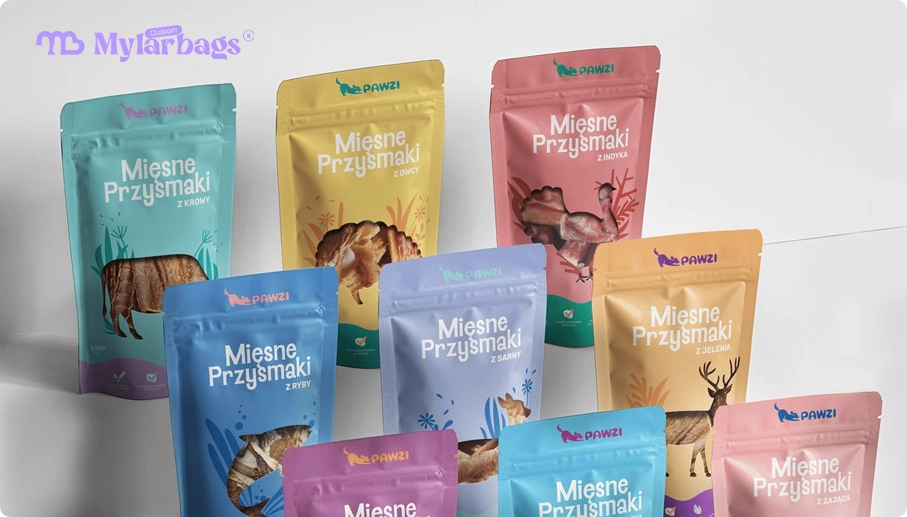
As we’ve already discussed, shelf life can vary based on food types. Each food product has its unique properties. It is critical to store shelf stable, dehydrated food in thick, high barrier Mylar bags to make sure your perishable supplies stay completely fresh for a multi year duration.
Take a look at the Mylar bag food storage chart below. This chart will help you understand the shelf life of dehydrated food stored in Mylar Bags:
Food Type | Shelf Life in Mylar + O2 Absorber | Shelf Life in Mylar Without O2 Absorber |
Grains & Rice | 25 to 30 years | 4 to 5 years |
Beans & Legumes | 25 to 30 years | 3 to 4 years |
Dehydrated Vegetables | 10 to 15 years | 2 to 5 years |
Dehydrated Fruits | 5 to 10 years | 1 to 3 years |
Dehydrated Meats or Jerky | 1 to 5 years | 1 to 3 months |
Powdered Milk | 5 to 10 years | 1 to 2 years |
Pasta | 10 to 20 years | 2 to 3 years |
Oats | 10 to 20 years | 1 to 2 years |
Freeze Dried Food Items | 20 to 30 years | 5 to 10 years |
White Flour | 10 to 20 years | 1 to 2 years |
Don’t confuse dehydration with freeze dried shelf life. Freeze dried mostly lasts longer with less residual moisture.
Which Factors Affect the Shelf Life of Dehydrated Food?
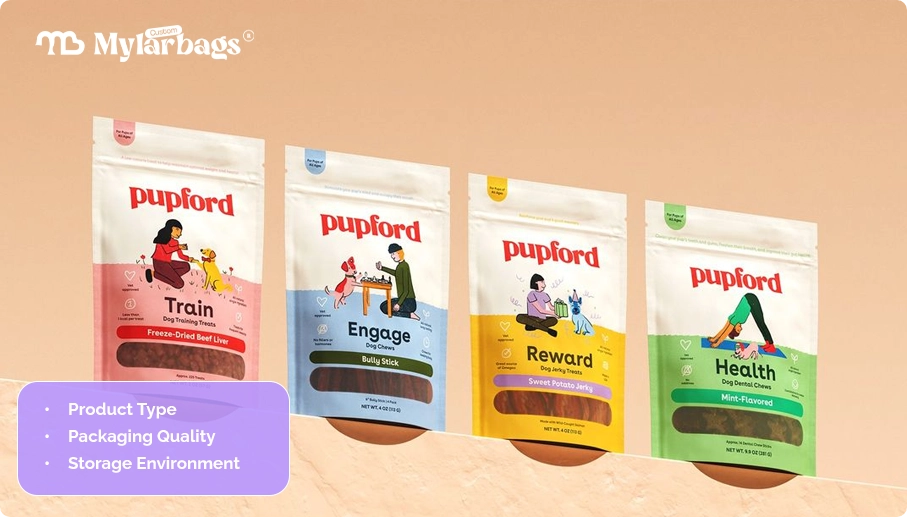
The shelf life of dehydrated food stored in Mylar bags depends heavily on:
Product Type
Different product types have different fats, residual moisture, and chemical composition, which determine the shelf life of dehydrated food stored in Mylar bags.
Packaging Quality
Solid packaging quality also boosts daily product safety from harsh environmental factors. Choosing reliable, high barrier packaging is the ideal way to block unwanted moisture and excess oxygen.
Storage Environment
The storage environment, such as cool, dry, and dark spaces, keeps products safe for many years. While, hot spaces can degrade food’s quality.
The Role of Oxygen Absorbers in Extending Shelf Life
Powerful oxygen absorbers protect your delicate fresh food. These tiny packets keep sensitive goods safe and tasty for a long time. They fight harmful decay and preserve natural quality.
Inside each small pouch, active iron powder joins simple catalytic salt. This clever mix rapidly pulls trapped air away from your stored items. It grabs unwanted oxygen and slashes leftover air levels down to a tiny 0.01%. Your sealed food stays completely dry, crisp, and safe.
This helps prevent impulsive food spoilage, unhealthy mold growth, and keeps insects away.
It is particularly noteworthy to pick the accurate size (cc rating) based on the bag size. We’ve added a mylar bag oxygen absorber chart of recommended sizes based on your Mylar bag size:
Mylar Bag Size | Suggested Oxygen Absorber Size in (CC) |
1 pint | 100 cc |
1 quart | 100 to 150 cc |
1 gallon | 300 to 500 cc |
2 gallons | 500 to 1000 cc |
5 gallons | 1000 to 2000 cc |
It is important to seal mylar bags quickly after inserting the oxygen absorber.
Custom Mylar Bags sets the gold standard in the packaging industry by offering oxygen absorbers with food grade mylar bags. This allows brands to keep their food items safe for a long time. Mylar bags are FDA compliant and are manufactured as food safe and free of toxic chemical liners.
How to Suitably Store Dehydrated Food in Mylar Bags
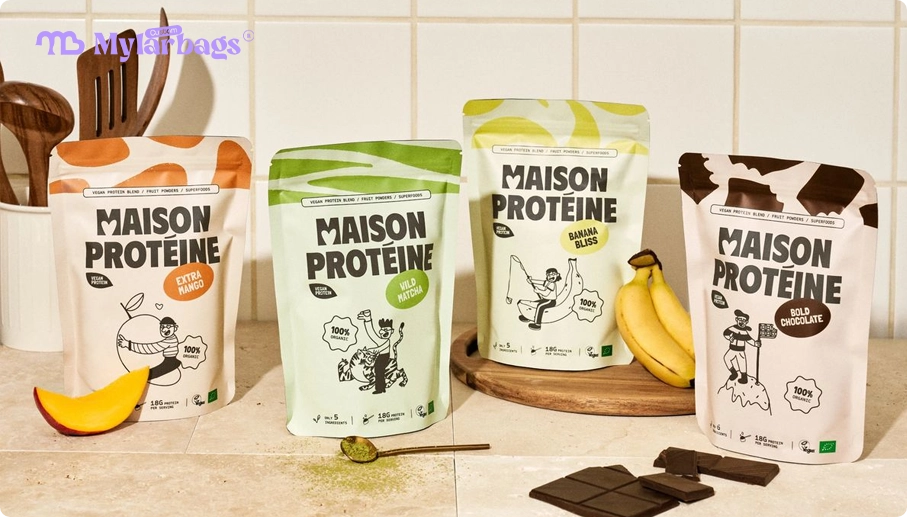
The proper storage of dehydrated food in mylar bags plays a key role in extending their shelf life. But how you do it can instantly impact how long your products stay refreshed. Here’s how proper mylar bag food storage is accomplished:
It is necessary to confirm that your food items are fully dehydrated with no moisture left. Moisture or a tacky texture of your food items can cause spoilage.
Choose the right bag size depending on your product's needs.
Then fill the bag and leave 2 to 3 inches headspace for a neat heat seal.
Add the accurate oxygen absorbers inside the bag.
Label the mylar bag with the product information, packing date, and estimated expiry date.
Press out all the excessive air before heat sealing the bag. It helps build a strong barrier against exterior factors.
Store the bags in a dark and temperature controlled space to maximize the product’s shelf life.
This is how Mylar bags are closed for a more extended shelf life.
How Storage Conditions Affect the Shelf Life
The ultimate shelf life of premium dehydrated food stored in protective Mylar bags is heavily impacted by external storage conditions.
The following are the crucial aspects that affect the overall shelf life:
Temperature: The ideal temperature range for safe, long term storage is a cool, consistent 50 to 70°F. Excessive temperatures above this specified range cause rapid nutrient loss and significantly reduce expected shelf life.
Light Exposure: Mylar bags are developed to block light inherently. But it is best to store Mylar bags in dark places. Exposure to UV light can spoil the quality quickly.
Humidity: High moisture can easily trigger mold and bacteria.
Mylar bags are an ideal solution for retailers, resellers, or survival gear suppliers. They are prepared to meet the actual functional needs of your products.
Conclusion
This article explains how long dehydrated food lasts. Businesses can keep their food products secure and fresh for a long time without being concerned about degradation. Mylar bags defend products against external environmental factors. The material itself helps food products to retain their flavor and nutritional values.
Food businesses can rely on this packaging solution to pack their dry goods and drive revenue. Custom Mylar Bags offers customizable mylar bags that can be designed to keep your products safe while looking eye-catching on the competitive retail shelves. Reach out to our team to order premium Mylar bags at affordable prices.
FAQs
How long does dehydrated meat last in quality pouches with oxygen absorbers?
Plain Mylar bags protect dried meat for a few short months. Trapped air slowly ruins the tasty food. However, tiny oxygen absorbers change everything. These handy packets pull harmful air out of the thick bag. They keep your savory meat fresh for a much longer time. Strong bags and active packets create a great long term storage setup.
How do I know if Mylar bags are secure for direct food contact?
Our packaging manufacturers design our tough Mylar bags to follow strict FDA safety standards. Skilled teams build these clean pouches using safe, high-grade materials. They are completely non-toxic and totally BPA free. No harmful chemicals will ever touch your fresh food.
This pure layer allows safe, direct contact with dry snacks, raw grains, and sweet treats. You get a dependable, food safe barrier that keeps your daily food crisp, clean, and healthy.
Can we reuse Mylar bags?
As long as the double metallic plastic film is intact, mylar bags can be reused for any purpose. Check for punctures and heavy wrinkles.
What mil Mylar bag is best for long term food storage?
5 mil to 7 mil is the ideal mylar bag thickness for long term food storage. It helps keep the packaging safe from punctures and tears, providing exceptional barrier protection to your food products.

Sophia Bennett
Sophia Bennett is a flexible packaging consultant and content contributor at Custom Mylar Bags. With years of experience in packaging materials, printing techniques, and product protection, she writes about Mylar bag innovations, custom packaging trends, and practical solutions that help businesses improve product safety, freshness, and brand presentation.
Up Next