The Hidden Costs of Damaged Shipments and How Bubble Mailers Solve Them
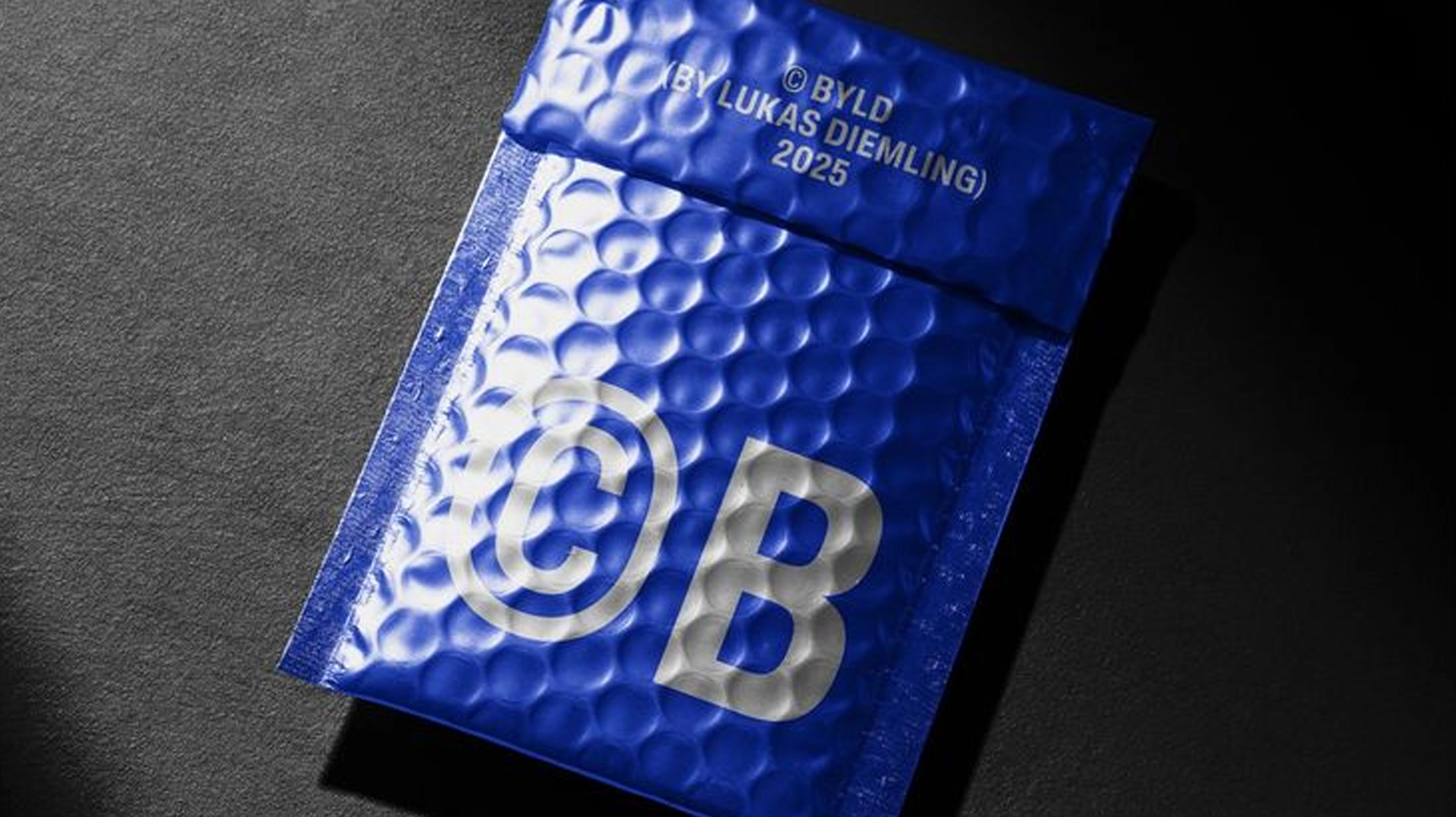
A damaged shipment is any order that arrives at the destination in broken, dented, leaking, scratched, or in a damaged box or pack form. It could be a crushed box of skincare products, a cracked small jewelry item, or a cable that arrived loose because the pack was torn. On the outside, it might look as one bad parcel but the real cost is much bigger than one broken product.
As the e-commerce market grows, more parcels move through long networks of hubs and delivery vans, which increases the chance of rough handling and damages. Even a small damage rate can hurt profit when you ship hundreds or thousands of orders each month.
In this article, we will have a look at the hidden costs that are incurred due to damaged shipments and see how a simple packaging solution like bubble mailers can help cut those costs.
There is no doubt about the rising trend of using bubble mailers for delivery among US businesses. According a study, the global market size of bubble mailers in 2025 was estimated to be around USD 16.62 billion and has the potential to increase up to USD 33.10 billion by 2033, at a CAGR of 9.1%
How Common Are Damaged Shipments?
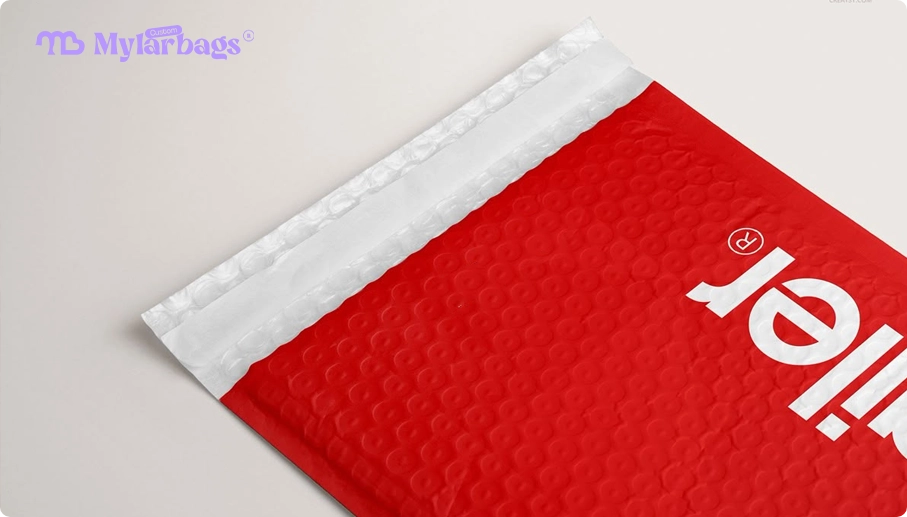
Most emerging or established online businesses face the unwanted circumstance of damaged orders at some point. This comes to the point that even a small percentage of orders can arrive damaged to the destination. For a one time thing, this might not feel too much but regular damages combine and become a big loss at the end of the year. This means that even brands with strong products still lose money because of weak or mismatched packaging.
If your store ships a lot of small products each month, a damage rate that seems “low” on paper can still cost a lot by the end of the year. Each broken parcel means time, stock, freight, and sometimes a lost customer. The good news is that better packaging choices can reduce this loss without making shipping too complex.
Hidden Cost #1: Product Replacement and Lost Inventory
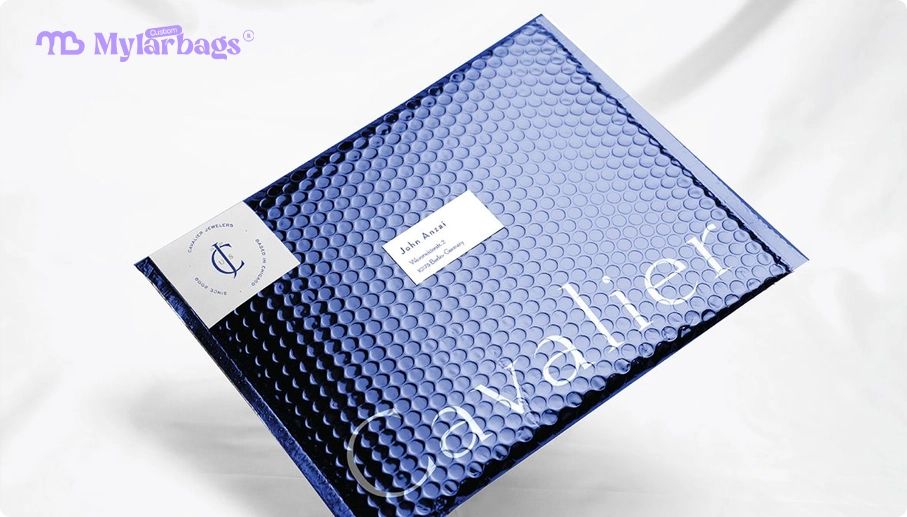
When an order reaches the customers in a bad shape or condition, their first thought is to get a refund or get the complete order replaced. In both of these cases, the one at loss is your brand. You lose the original product, because a damaged item often cannot be sold again as new. You also lose the new item that you send in its place, which doubles the product cost for that order.
Sometimes damaged goods can be sold at a discount, but most of the time they are written off as a full loss. There is also the work of checking the returned item, logging it, and deciding if it can be saved. All of this takes warehouse time that could have been spent on new orders. The more this happens, the more your inventory and margin suffer.
Hidden Cost #2: Extra Shipping, Packing, and Labor
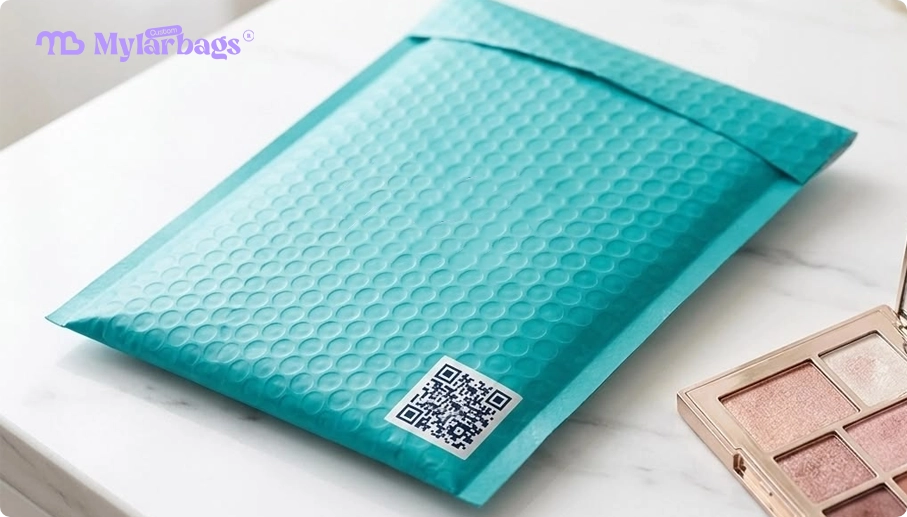
Every damaged shipment brings extra shipping and packing costs that hide in the background. When you reship, you pay:
New postage or carrier fees.
A new bubble mailer or box, tape, and any inner padding.
Carriers do offer damage claims, but in real life:
Claims can be slow and tricky to file.
Not every case is accepted or fully paid.
There is also the labor cost that does not show on your carrier bill. Your team has to:
Answer messages from upset customers.
Open return cases in your system.
Prepare replacement orders and print new labels.
Open returned parcels, inspect products, and sort them.
None of this work brings in new sales. It only repairs damage that better packaging could have helped prevent.
Hidden Cost #3: Customer Trust, Reviews, and Repeat Orders
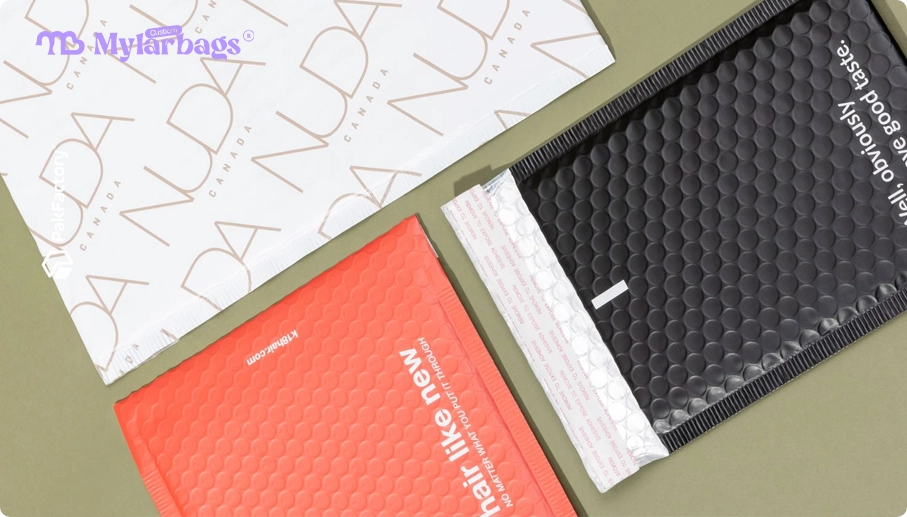
The cost of a damaged shipment is not only money. It is also trust. When a customer opens a box or envelope only to find a broken or damaged product, they feel dissatisfied. In this scenario, shoppers expect a refund or replacement. Even if you fix the problem, some will not order from you again.
Bad experiences also show up in reviews and photos online. A few poor reviews that mention broken items or bad packaging can scare off new buyers. In a market where people compare brands quickly, damaged shipments are not just one-time problems. They can leave a mark on your reputation and reduce your repeat order rate over time.
Why Packaging Choices Drive Damage Rates
Many damaged shipments do not come from extreme events. They come from normal bumps and jerks that subpar quality packaging cannot bear. If a product is packed in a feeble mailer or in a big sized box with extra space and not enough safety padding, every bump on the way can turn into a dent, scratch, or crack on the actual product.
The main purpose of packaging is to safely hold the product and protect it from harm. When you choose the wrong pack type for the product, or try to save too much on material, you raise the risk of damage. This is where bubble mailers come in. For many small and semi delicate items, they give a better balance of protection, weight, and cost than plain mailers and very thin boxes.
If you want complete insights on the shipping mistakes that a small business makes and how bubble mailers save them, then click here.
How Bubble Mailers Reduce Damage in Transit

Built-In Shock Absorbers
As the name states, bubble mailers have a soft inner layer which includes a multitude of small air bubbles. These act like small cushions that help to absorb and spread the impact. If the mailer is dropped or pressed, these bubbles soften the shock before it reaches to damage the product. This whole ordeal can protect the containment from dents, scuffs, and surface damages.
A bubble mailer also snugly fits products better than a big box with lots of empty space. A pack that has less inside space tends to protect the product from damages that can come from to and fro movement during the whole shipping process. For many products, this simple snug fit ability is the reason damage goes down when switching to padded mailers.
Better Protection than Plain Mailers for Small Items
Plain poly mailers or paper envelopes might be great packaging options for soft items like T-shirts, but they give zero shock protection. When you pack small boxes, tubes, or accessories in them, every bump and jerk reaches and sways the containment. In contrast to this, bubble mailers add an additional layer of protection without adding much weight to the overall packaging.
They are a better fit for:
Cables, chargers, and small tech accessories.
Phone cases and small gadgets in retail boxes.
Boxed cosmetics, skincare kits, and tools.
Small books, stationery, and similar items.
By switching these products from thin packs into bubble mailers, many brands see fewer “damaged on arrival” tickets and fewer replacements, which directly reduces hidden costs.
Moisture, Dust, and Privacy Protection
Bubble mailers also help protect against light moisture, dust, and dirt. The outer layer shields the contents from rain drops and dirty surfaces during handling. Labels stay readable, and the inner bubble layer keeps products away from the outer edges of the pack.
On top of that, bubble mailers protect privacy. The solid outer layer hides the product inside, so it is less tempting to curious eyes. A clean, well sealed mailer looks more secure to the customer and to everyone who handles the parcel on the way.
Bubble Mailers vs Other Options for Damage Control
You can think of bubble mailers as sitting between plain mailers and full boxes when it comes to protection.
Feature | Bubble mailers | Plain poly mailers | Thin boxes with minimal padding |
Shock absorption | High | Low | Medium |
Protection from surface damage | High | Low | Medium |
Internal movement control | Good | Poor | Varies |
Weight | Very light | Very light | Higher |
Best use | Small, semi delicate items | Soft items only | Larger or fragile items |
Plain poly mailers are light and cheap, but they protect only from dust and dirt. Thin boxes with little padding offer more structure, but they are heavier and can still leave items rattling around inside. Bubble mailers give the padding plain mailers lack and remove some empty space issues that thin boxes have, as long as you choose the right size and thickness.
For very fragile or heavy products, a strong box with good padding is still the safest choice. But for many small items that fall in the middle, padded mailers hit the sweet spot between protection, cost, and speed. Check out here how a small business reduced its overall returns by 40% by using custom bubble mailers.
Where Bubble Mailers Make the Biggest Difference
Fashion and Soft Goods
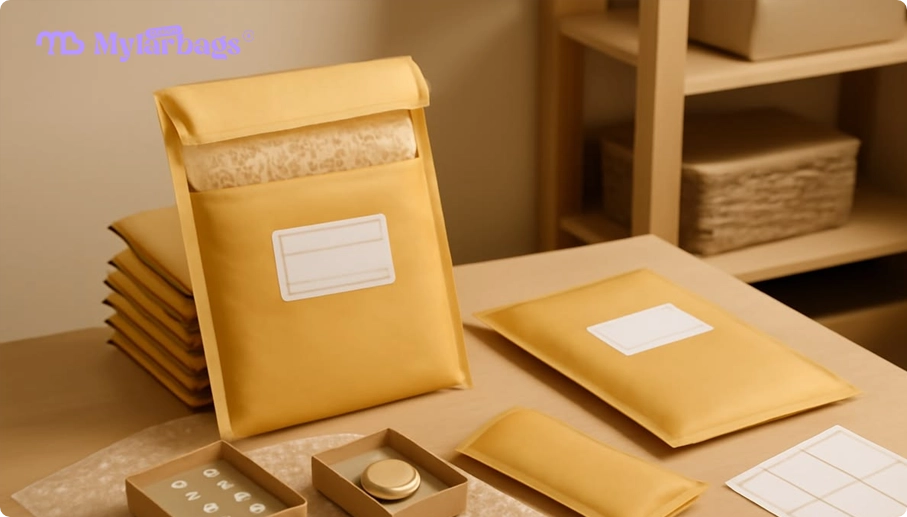
For fashion accessories and soft fabric products, damage often shows up as dirty, wet, or torn parcels, not broken products. Bubble mailers can help protect wrapped clothing, small accessories, and soft items from rough handling and weather. The air cushioning of bubble mailer packaging helps prevent small items like buttons or clips from getting bent during delivery.
Beauty, Health, and Wellness
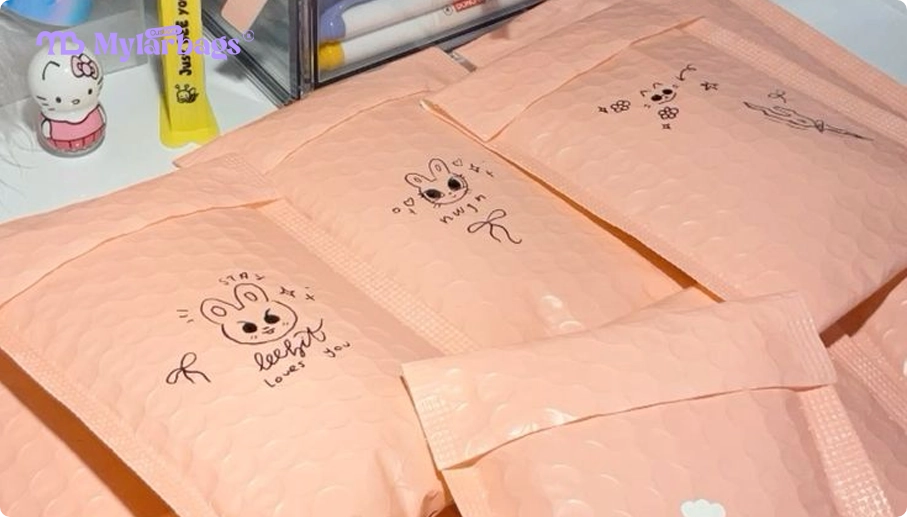
Beauty and fitness products mostly come in small boxes, jars, and tubes. They can get damaged or cracked if they are not securely packed. When such a packaging is placed inside bubble mailers, the safety multiplies several folds. A padded mailer can cut damages for small glass bottles or delicate jars without adding as much weight as a full-fledged box.
Electronics Accessories and Small Tech
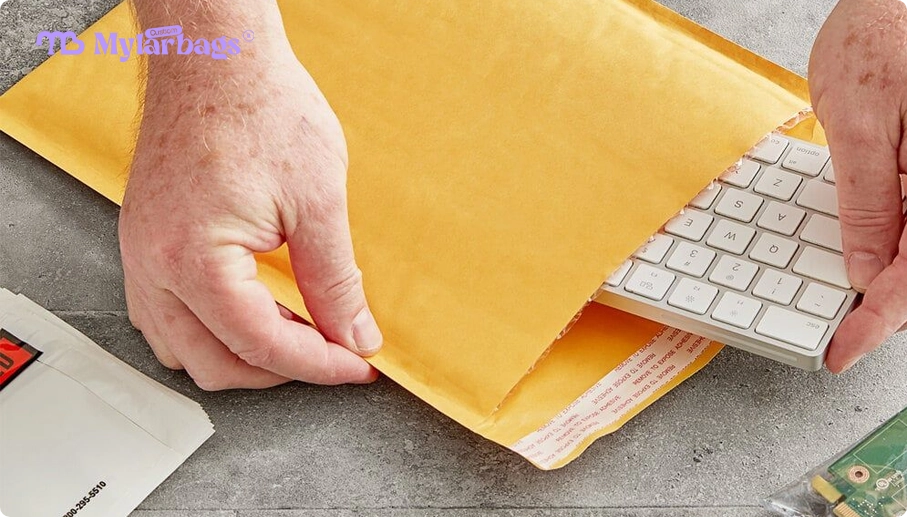
Tech accessories are usually tough enough for daily use, but shipping puts them under different stress. Items like:
Cables and chargers,
Earbuds and cases,
Memory cards and adapters,
Phone cases and small stands
can easily get damaged when packed in thin envelopes. But, bubble mailers are different. They give these items a cushioned storage and keep the product in better shape. This lowers returns and improves the unboxing experience.
Simple Steps to Cut Damage Costs with Bubble Mailers
You do not have to change your whole shipping setup overnight. You can move step by step and still see real gains.
Find problem products
Look at your returns and support tickets. List products with the most “damaged on arrival” complaints.
Review current packaging
Check how those products are shipped today. Are they in:
Plain, unpadded mailers?
Thin boxes with lots of empty space?
Over sized cartons that let items rattle around?
Switch to better bubble mailers
For small and semi delicate items, move to bubble mailers that:
Match the product size closely.
Use a suitable thickness and bubble strength for the item’s weight.
Train your team
Show your packing staff:
Which SKUs must go into bubble mailers.
Which mailer size to use for each product or bundle.
How full a mailer should be and how to seal it correctly without overstuffing.
Track results over time
After the change, watch damage rates and related costs for a few weeks or months. Compare before and after to see:
Fewer damage tickets.
Fewer reships.
Less time spent on claims and returns.
This simple loop turns packaging into a lever you can adjust to protect both products and profit.
Final Thoughts
Damaged shipments bring more than the cost of one broken item. They add extra shipping fees, extra packing work, and quiet hits to your reputation and repeat orders. For many e-commerce brands, upgrading to well-sized bubble mailers for small and delicate products is one of the best ways to reduce this burden.
Quality bubble mailers add cushioning, reduce internal product movement, and protect product surfaces, while staying lightweight and simple to pack. When you pick them for the right products, you can not only lower damage rates, but also keep customers happier and protect your profit margins.
If you are ready to cut the hidden costs of damaged shipments, you can choose custom bubble mailers tailored to your product sizes, weights, and shipping needs. With the right combination of sizes, material thicknesses, and sealing options, your bubble mailers can help your products arrive safely and your business stay profitable.

Sophia Bennett
Sophia Bennett is a flexible packaging consultant and content contributor at Custom Mylar Bags. With years of experience in packaging materials, printing techniques, and product protection, she writes about Mylar bag innovations, custom packaging trends, and practical solutions that help businesses improve product safety, freshness, and brand presentation.
Up Next