Guide to Mylar Bag Thicknesses: How to Choose the Right Mil for Your Product
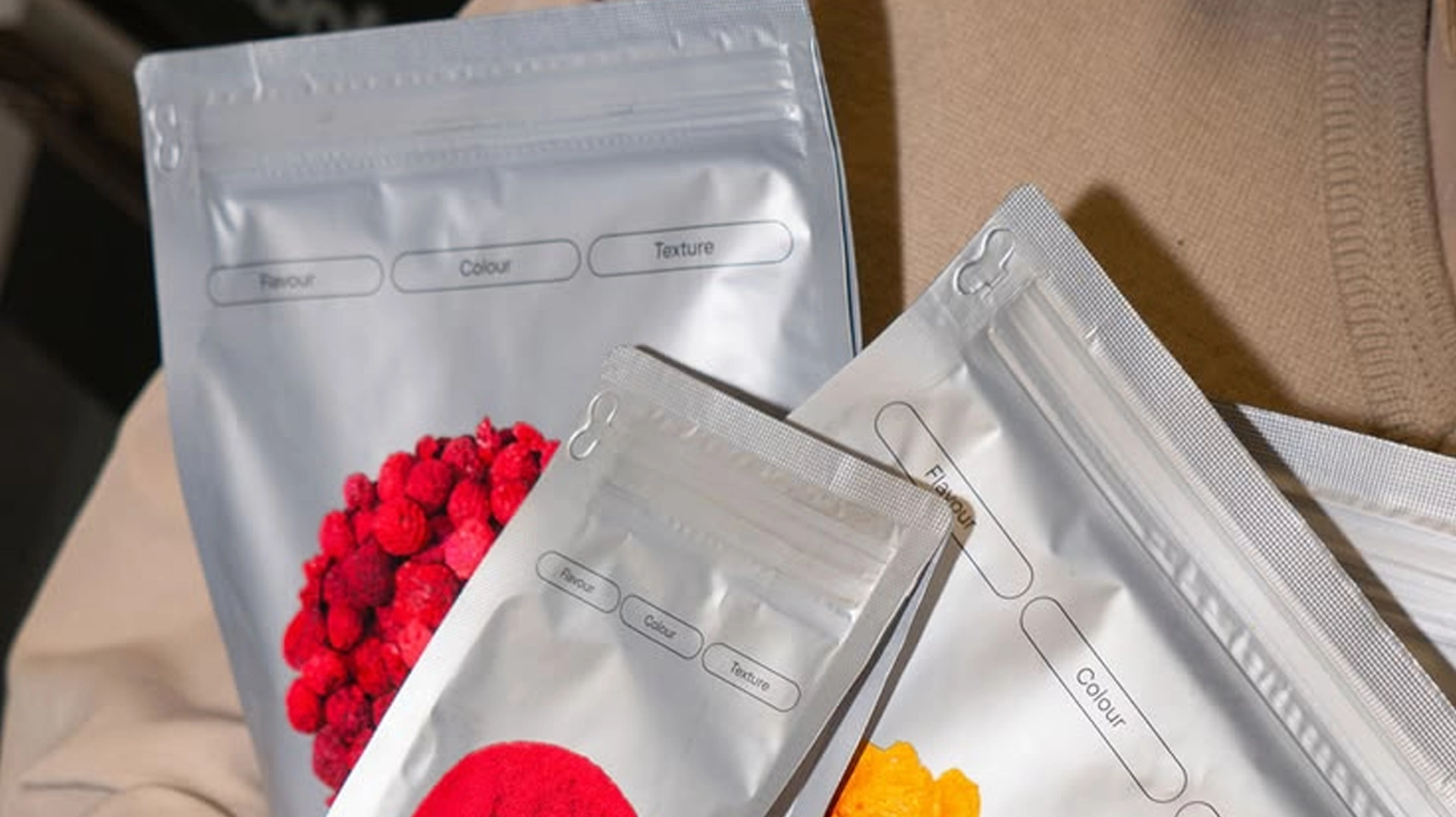
Opting for the right Mylar bag thickness can help you in plenty of ways. It can: protect your product during filling, storage, shipping, and everyday handling. It also affects the flexibility, seal strength, package feel, and cost of your Mylar bags.
One thing to note here is that the thickest bag is not always the best choice for every product. Small or single-serve products can use a thinner pouch. Whereas bulk supplement powders or long-term storage products need thicker pouches..
In this detailed guide, we'll cover thickness options, what mils mean, how they convert to microns, why barrier layers matter in product protection, and how to choose the right one for your product.
What Does Mylar Bag Thickness Mean?
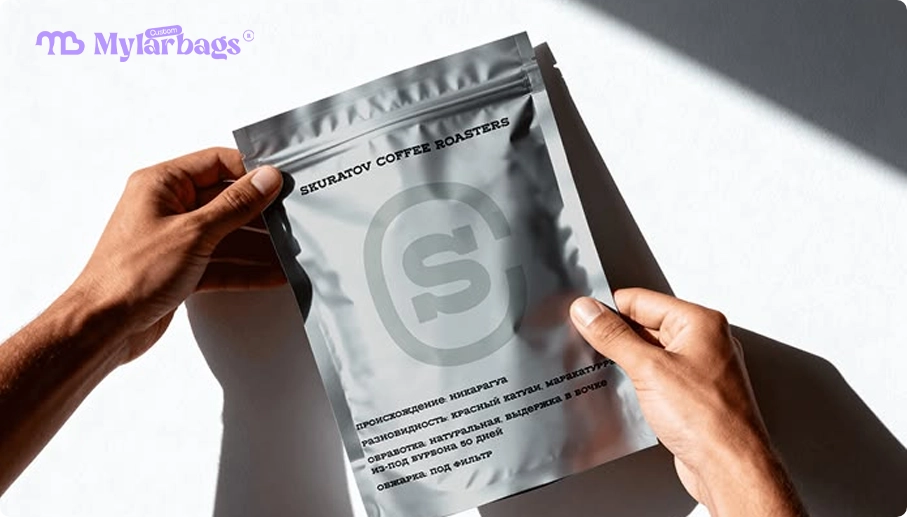
The Mylar bag thickness is measured in mils in the US, or microns internationally.
One mil equals 0.001 inch.
One mil equals about 25.4 microns.
A 5 mil bag is about 127 microns.
A 7 mil bag is about 178 microns.
Mils are common in the United States. Microns are often used in international packaging specifications.
A Mylar-style bag is usually made from several laminated layers. These may include an outer polyester layer, a metalized or foil barrier layer, and an inner PE or PP sealant layer.
When a bag supplier offers a list of material thickness, it usually means the total thickness of the finished laminate. However, not every packaging supplier describes thickness similarly. Ask whether the number refers to:
The total finished pouch.
One side of the bag.
One film layer.
The combined structure of both sides.
The main body only, excluding the zipper or special features.
This detail matters when comparing quotes from different suppliers.
Mylar Bag Thickness Chart
The following chart provides general starting points for common thickness ranges.
Thickness | Approximate microns | General use | Durability |
2.5 mil | 63.5 microns | Samples and lightweight products | Light |
3.5 mil | 88.9 microns | Powders, snacks, and small retail products | Light to medium |
4 mil | 101.6 microns | General retail packaging | Medium |
5 mil | 127 microns | Supplements, coffee, heavier products, and shipping | Strong |
7 mil | 177.8 microns | Bulk, sharp, heavy, or long-term storage products | Heavy-duty |
Selecting a suitable thickness for Mylar bags depends on your product, pouch size, barrier layers, closure styles, as well as shipping & storage conditions.
A 3.5 mil bag may be right for one product and too weak for another. A 7 mil bag may offer more strength than a lightweight product needs.
How Bag Thickness Affects Performance
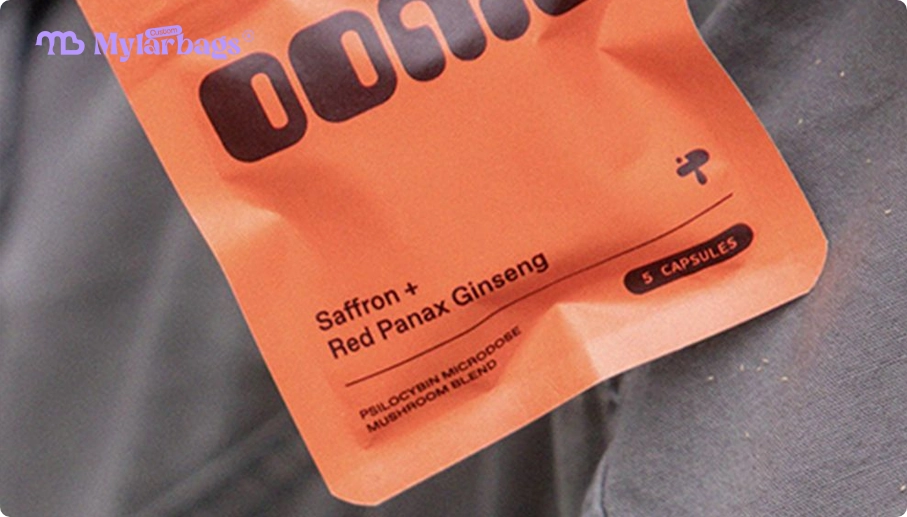
The overall thickness of your Mylar bags can affect their use case and functionality in the following ways;
Puncture and tear resistance
Thicker bags provide better tear and puncture resistance. They are useful when the products that are to be packed in them have pointy edges, more density, or are heavy.
For example, a bag filled with smooth powder places less stress on the film than a bag filled with hard pieces or products with pointed edges.
Seal strength
A thicker structure supports a stronger package, but a thick bag with a weak seal can still fail.
Flexibility
Thinner bags are usually easier to fold, fill, and handle. They may work well for samples, single servings, and lightweight products.
Thicker bags feel more rigid when held in hand and might hold their shape better during shipping or shelf display. However, they are less flexible.
Cost
Thicker bags cost more but can help to prevent punctures, leaks, product loss, and customer complaints.
For lightweight products, that extra cost is often unnecessary.
Thickness and Barrier Protection Are Not the Same
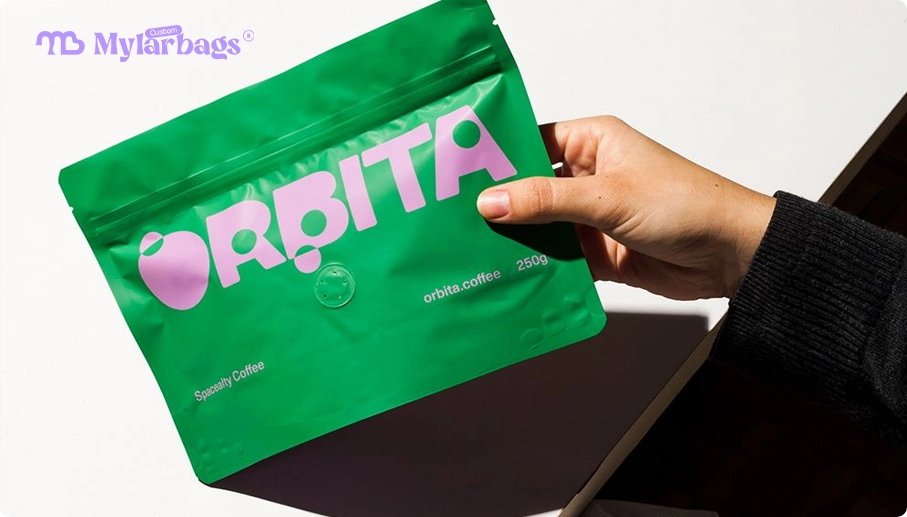
A lot of people think that more thickness in a Mylar bag means extra blockage of oxygen, moisture, and light.
This is not the case every time because thickness mainly affects the durability of the bag. Whereas the barrier performance depends on the laminate layers and how well the package is sealed.
A Mylar-style pouch may include:
PET or BoPET: Provides strength and a printable surface.
Metalized PET: Helps to block light & supports barrier protection.
Aluminum foil: Provides a strong barrier when used in the laminate.
PE or PP sealant: Creates the heat-sealable inner layer.
Adhesive layers: Bond the materials together.
For products with strict storage or shelf-life requirements, ask about:
Seal strength.
Puncture resistance.
Tear resistance.
Lamination quality.
Oxygen transmission rate (OTR).
Moisture vapor transmission rate (MVTR).
Choosing Thickness by Product Type
Snacks and dry foods
Mylar bags for light snacks, spices, dried fruit, and dry mixes typically fall in the 3.5–5 mil range. The right choice depends on the product’s weight, edges, storage time, and shipping method.
A 3.5 or 4 mil pouch may suit a lightweight product with quick turnover. A pouch with 5 mil thickness might offer more protection for dense food products or packages that need to travel through plenty of handling points.
Coffee
You need protective coffee Mylar bag packaging to limit exposure to oxygen, moisture, and light that can cause aroma loss.
A 4 or 5 mil structure may work for many retail coffee products. Whole beans can create more physical stress than ground coffee, so a stronger structure may be useful.
If your coffee needs a one-way degassing valve, your chosen bag supplier should support it.
Supplements and powders
Powder products like: protein, collagen, drink mixes, and other supplements need a reliable seal to prevent exposure to environmental factors.
A 4 or 5 mil pouch may provide a practical starting point for many powder products. Consider:
Powder weight.
Serving count.
Scoop size.
Moisture sensitivity.
Resealing needs.
Shipping conditions.
Space for Supplement Facts and ingredients.
The final structure of your supplement Mylar pouches should be chosen with the product formula and filling process in mind.
Heavy or sharp products
Heavy contents and sharp edges place more stress on a pouch. A thicker structure may help reduce punctures during filling, stacking, shipping, and customer handling.
Consider a thickness of 5 to 7 mil or another reinforced structure for your Mylar bags when the product is dense, irregularly shaped, or likely to press against the film.
An inner liner, insert, or protective outer carton may also be needed. A thicker bag alone does not remove every risk.
Samples and single-use products
Samples and single-serving products often use thinner structures because the fill weight is low and the package is used quickly.
A 2.5 to 3.5 mil bag may be suitable for some sample formats. Choose a material that is easy to open and strong enough for the product’s expected handling.
Long-term storage
Long-term storage needs more than a thick bag. It may require the right barrier layer, a strong heat seal, suitable storage conditions, and a package that can handle stacking and transport.
5–7 mil is a common starting point, but barrier layers and seal quality matter more for shelf life. Confirm the exact laminate, closure, and storage performance before making shelf-life claims.
Choose the Right Size, Format, and Closure
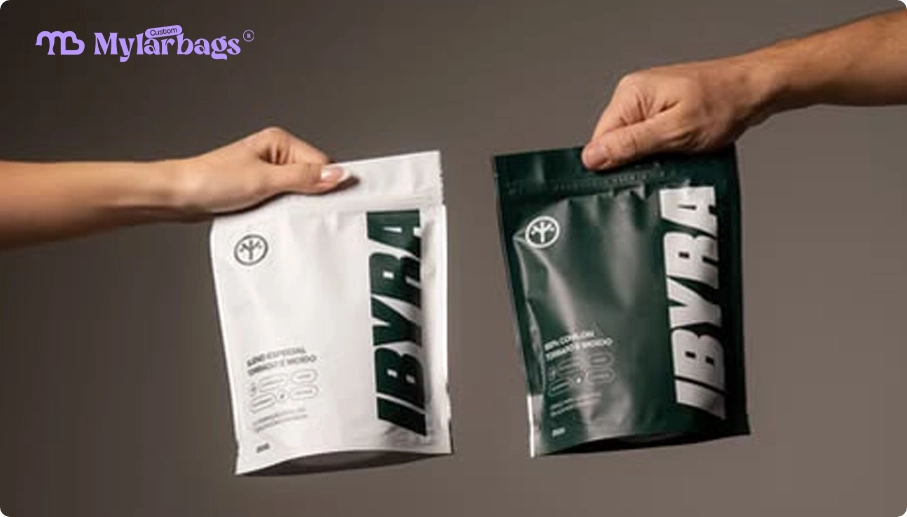
Thickness should be selected together with bag size and pouch format.
Flat pouches
Flat pouches work well for samples, small fills, single servings, and products that do not need to stand on a shelf.
Stand-up pouches
Stand up pouches are ideal for packaging retail products, powders, snacks, coffee, and refill products. The gusset at their bottom allows the pouch to stand upright when displayed.
Gusseted bags
Gussets create more fill space and can support larger products. These pouches need stronger construction when the package holds heavy contents.
Three-side-seal pouches
These pouches are sealed on three sides and can be used for samples, powders, snacks, and flat products.
Stick packs
Stick packs are designed for single servings. Their thin and long shape works great for storing powders, supplement drinks, and travel products.
Heat seals
A heat seal closes the package and can provide the initial security customers expect.
Zippers
A zipper allows the customer to reseal the pouch after each use. Great for multi-serving products.
Tear notches
A tear notch makes the pouch easier to open. It should be positioned so the customer can start the tear without damaging the product or the main package.
How to Choose Thickness Step by Step
Use this process before placing a large custom Mylar bag order:
Identify the product and its physical form.
Measure the product in terms of weight, volume, and density.
Decide how long the product must remain protected.
Choose the laminate and barrier structure.
Select the pouch size and format.
Select a zipper, heat seal, tear notch, or other closure.
Review shipping, stacking, and handling conditions.
Request a physical sample.
Approve the final material and artwork before bulk production.
This process helps prevent a common mistake: choosing a thickness based only on a number without testing the full package.
Conclusion – Order Custom Mylar Bags in Appropriate Thicknesses with Us
Many things matter when it comes to choosing the right Mylar bag thickness. Going for the thickest one isn’t the best course of action. It is about different things like:
Finished laminate
Barrier properties
Product weight
Pouch size
Closure style
Shipping & storage conditions
Need help choosing the right Mylar bag thickness? We, at Custom Mylar Bags, can help you compare film structures, sizes, closures, printing options, and finishes based on your product and packaging goals. Get in contact with our experts via call +1 (713) 766-3509 or email support@custommylarbags.us and they are sure to help you determine the right thickness as per your product protection, cost saving, and packaging needs.
FAQs
What does mil mean in Mylar bags?
A mil is the unit used to measure the thickness of the Mylar film. One mil equals 0.001 inch, or approximately 25.4 microns.
Is a thicker Mylar bag a better option for more security?
Always going for a thick Mylar pouch is not necessary. Although it can provide better puncture and tear resistance, it loses its flexibility and costs more. Choosing the ideal thickness is the right choice to accommodate costs and product protection.
What thickness of Mylar bags is best for supplement powders?
A 4 or 5 mil thickness is a practical start for many products including supplement powders. But still, the final decision in choosing the thickness depends on powder weight, moisture sensitivity, serving count, seal type, and storage needs.
Are Mylar bag thickness and barrier protection the same?
No. Thickness mainly affects physical durability. Barrier protection depends heavily on the film layers, metalized or foil structure, sealant, lamination, and seal quality.
What thickness is best for long-term storage?
A 5–7 mil is a common starting point, but barrier layers and seal quality matter more for shelf life.
Can you help select the right thickness?
Yes, why not. Our experts are just a call away. Share your product, weight, pouch size, storage goals, closure style, and shipping conditions and they’ll suggest the ideal thickness for your storage needs.

Sophia Bennett
Sophia Bennett is a flexible packaging consultant and content contributor at Custom Mylar Bags. With years of experience in packaging materials, printing techniques, and product protection, she writes about Mylar bag innovations, custom packaging trends, and practical solutions that help businesses improve product safety, freshness, and brand presentation.
Up Next